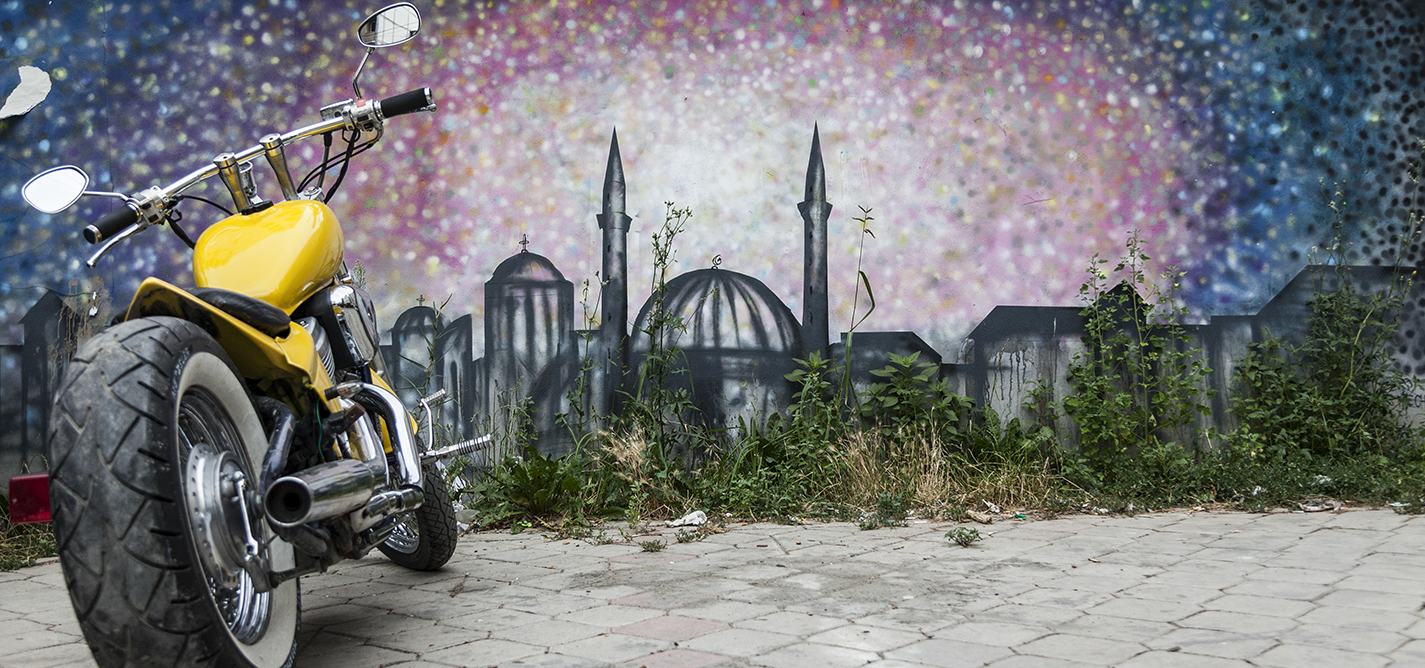
Kosovo’s ‘secularism’ is being confused — especially by those trying to defend it
The state’s relationship with religion is far from clear.
|16.02.2018
|
It is the ambiguity in the policy makers’ stance that makes it much more fundamentally important, especially when it comes to the practical consequences of the doublespeak.
Hoxhaj hyperbolizes not only a link between the veil and “religious radicalism” but he goes as far as to stretch a link between the veil and participation of citizens in foreign wars.
In Kosovo, the ‘secular’ state has played more of a role in disciplining behavior than a neutral role in relation to religious affairs.
The state’s policies toward religion should apply equally to all religions, and not only to some.
Shpend Kursani
Shpend Kursani is a PhD researcher in the Department of Politics and Social Sciences at the European University Institute in Florence, Italy.
DISCLAIMERThe views of the writer do not necessarily reflect the views of Kosovo 2.0.
This story was originally written in English.