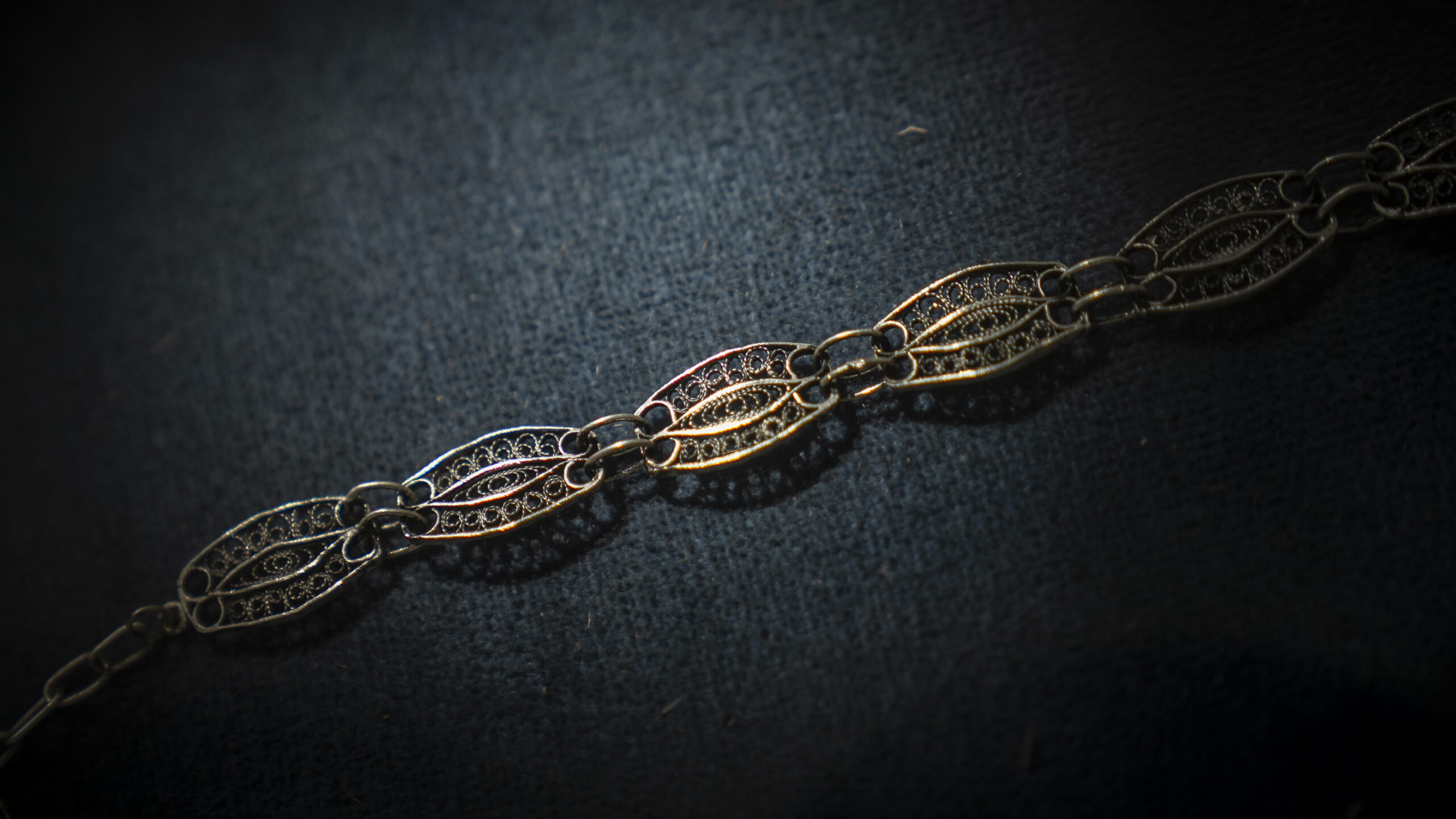
Artisanal Crafts: Kosovo’s cultural orphan
Kosovo’s institutions are pushing traditional crafts to the margins.
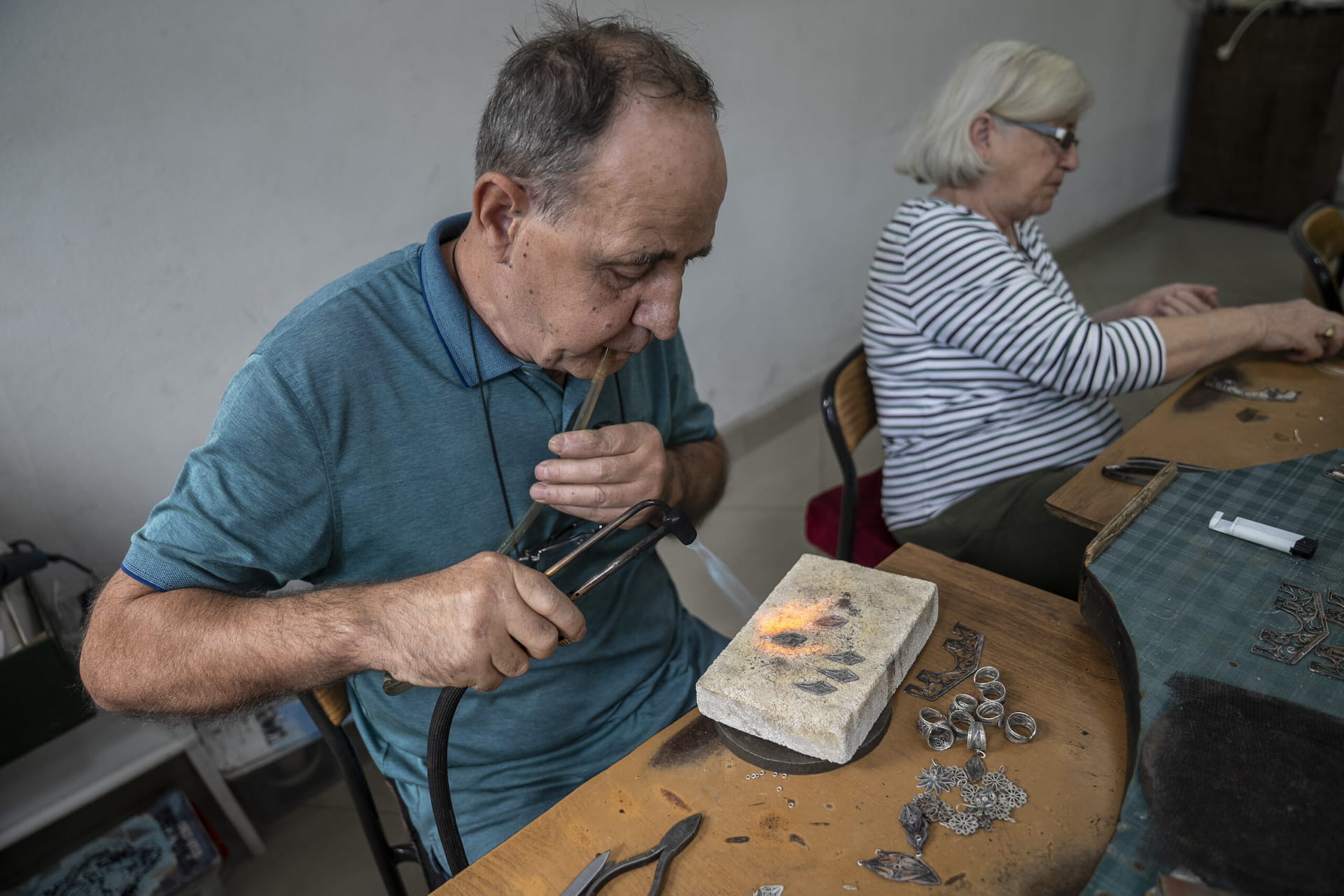
Despite many difficulties, filigree craft is still practiced in Prizren. Photo: Ferdi Limani / K2.0.
Traditional crafts and their distribution in Kosovo
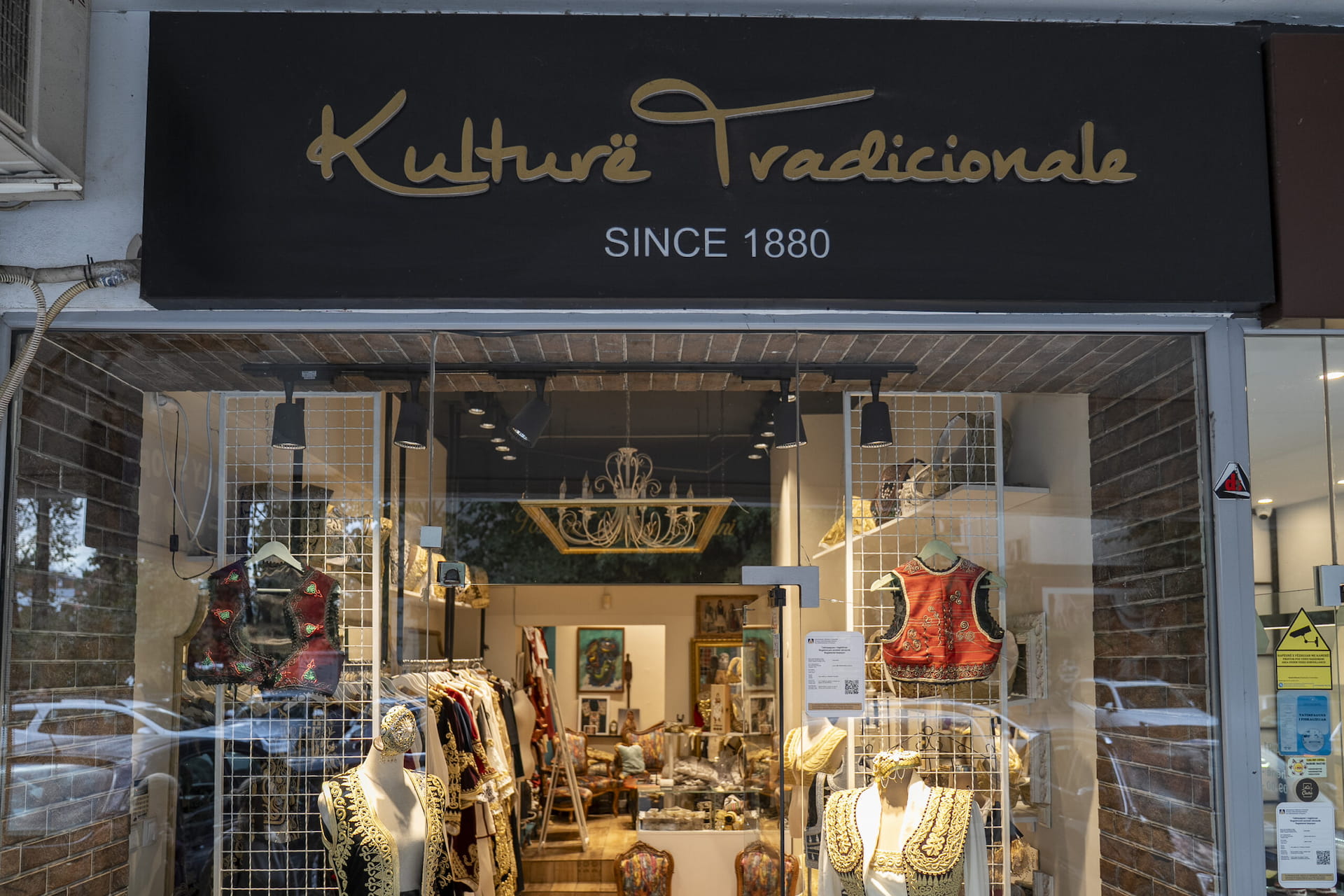
The Asani family shop in the Dardania neighborhood in Prishtina. Photo: Ferdi Limani / K2.0.
On paper, almost all the necessary infrastructure exists. In practice, however, responsibility for traditional crafts is spread across different institutions.

One of the few cradle makers left in Kosovo continues the tradition. Photo: Shkelzen Rexha / CC
Traditional crafts have appeared from time to time as research topics, but not as part of a systematic, long-term research program.
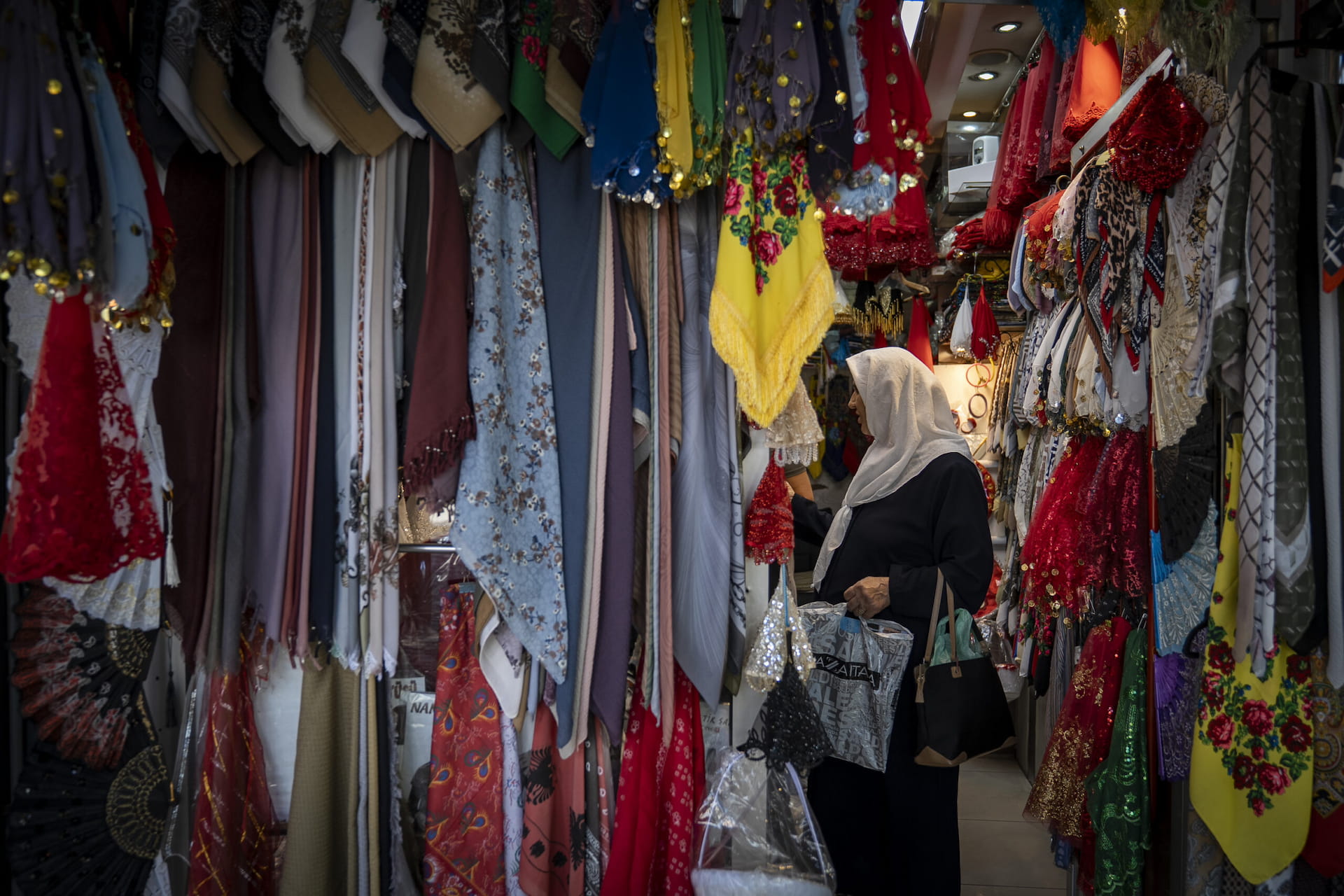
One of the two remaining headscarf shops in Prizren. Photo: Ferdi Limani / K2.0.
Some topics are elevated to grand national histories, a woman’s work at a loom, a silversmith’s technique or the organization of a guild remains historically only minor.
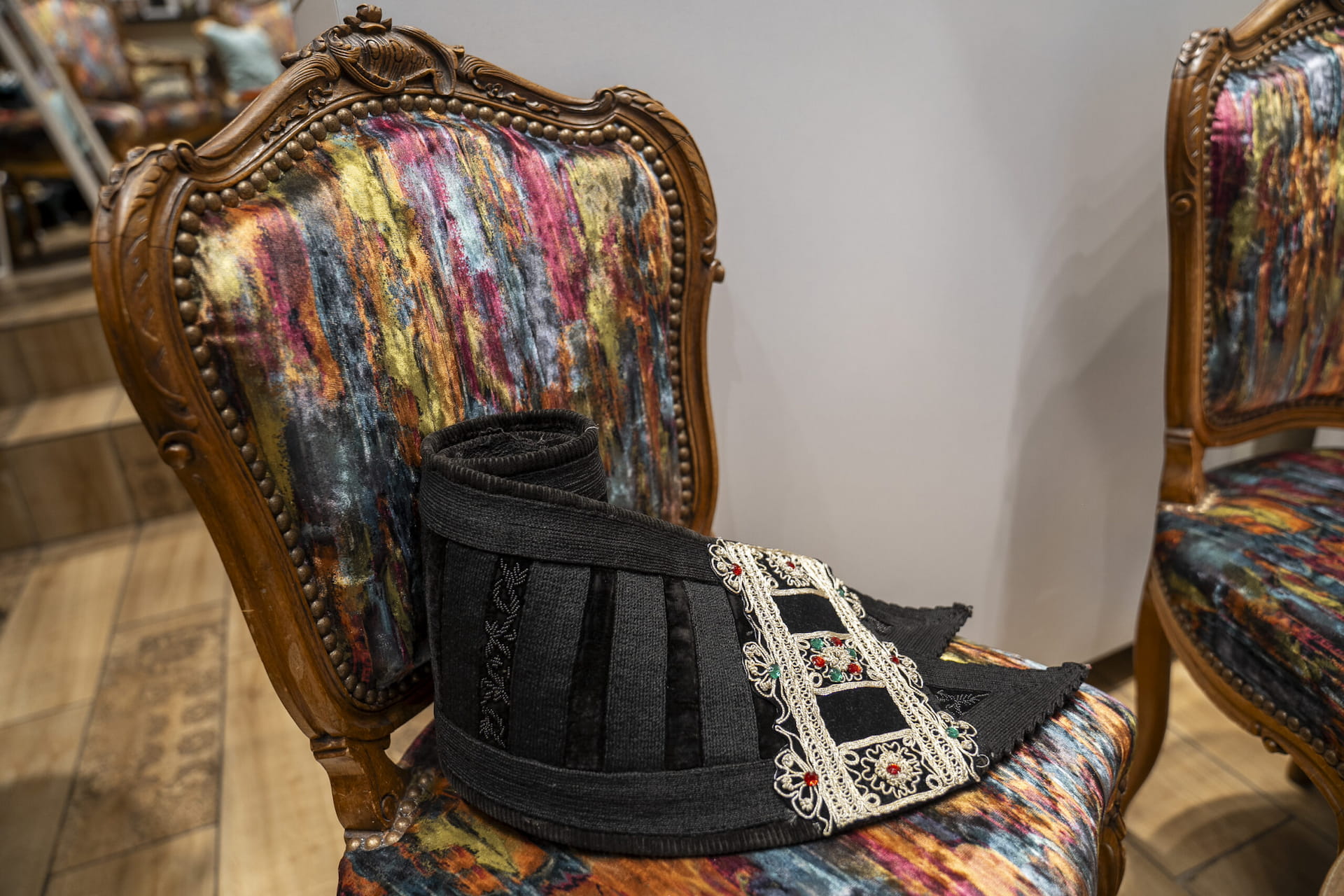
The centuries-old xhubleta belt in the Asani family shop in Prishtina. Photo: Ferdi Limani / K2.0
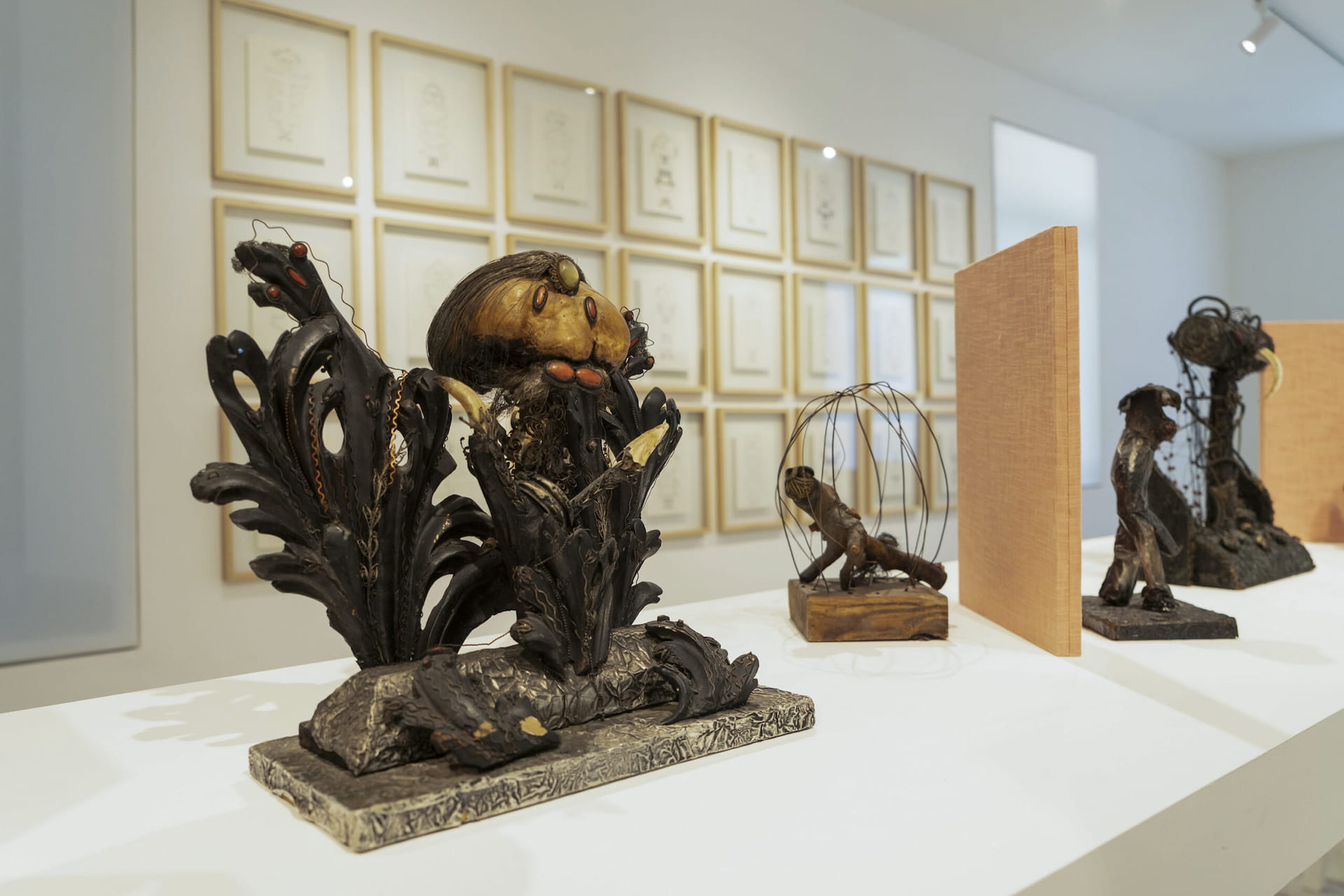
Works by artist Simon Shiroka exhibited at the Autostrada Biennial in Prizren, July 2025. Photo: Ferdi Limani / K2.0
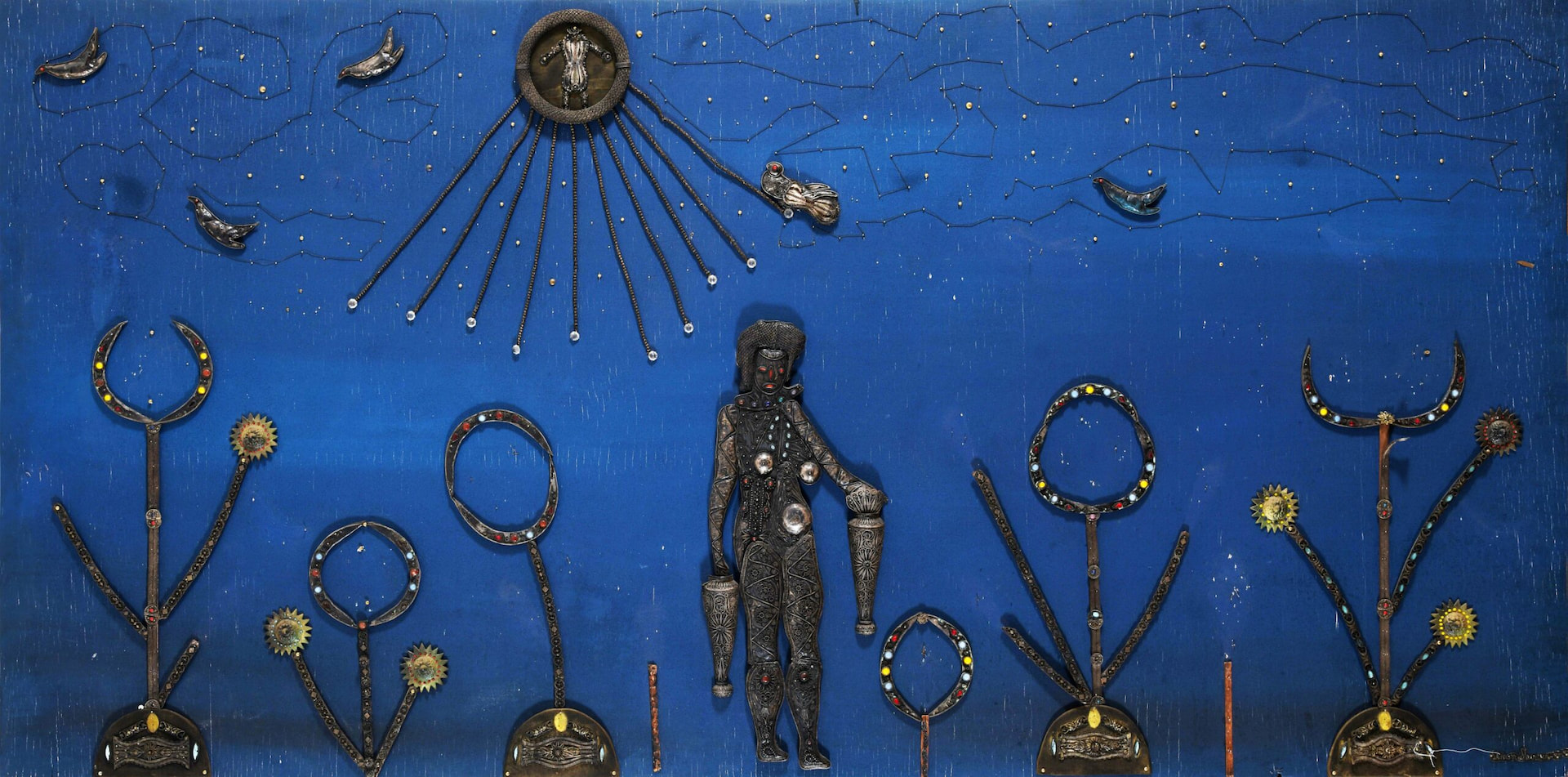
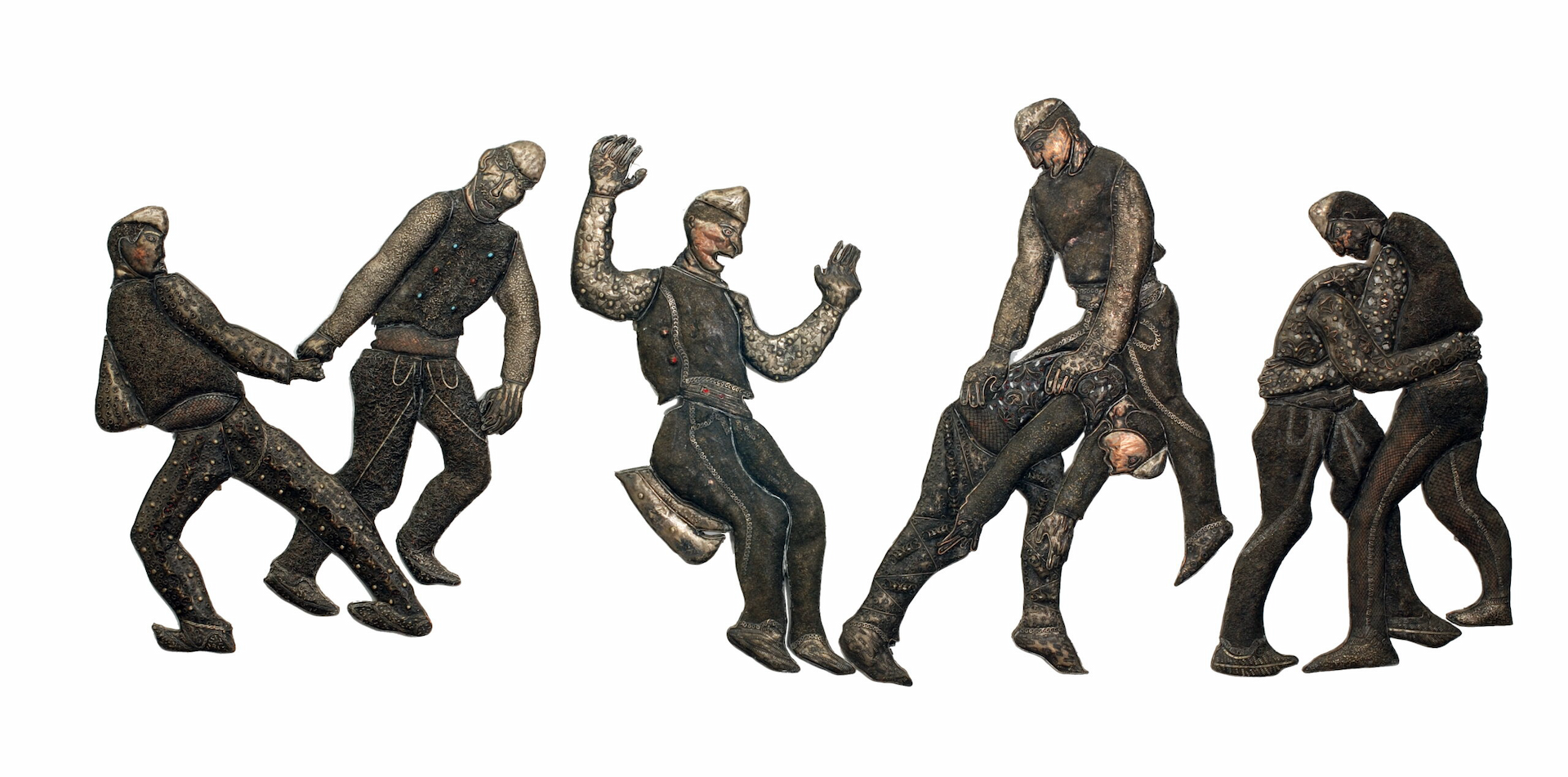
Before the artist came the apprentice. Before the artwork came the technique. Before the museum came the workshop.

Rina Asani
Rina Asani is a researcher of Indo-European linguistics and the history of language. She is engaged in archival research at the University of Vienna. Her work and research interests include history, culture and art.
This story was originally written in Albanian.