Kosovo's new generation of filmmakers have their say
Directors from DokuFest's National Competition talk film.
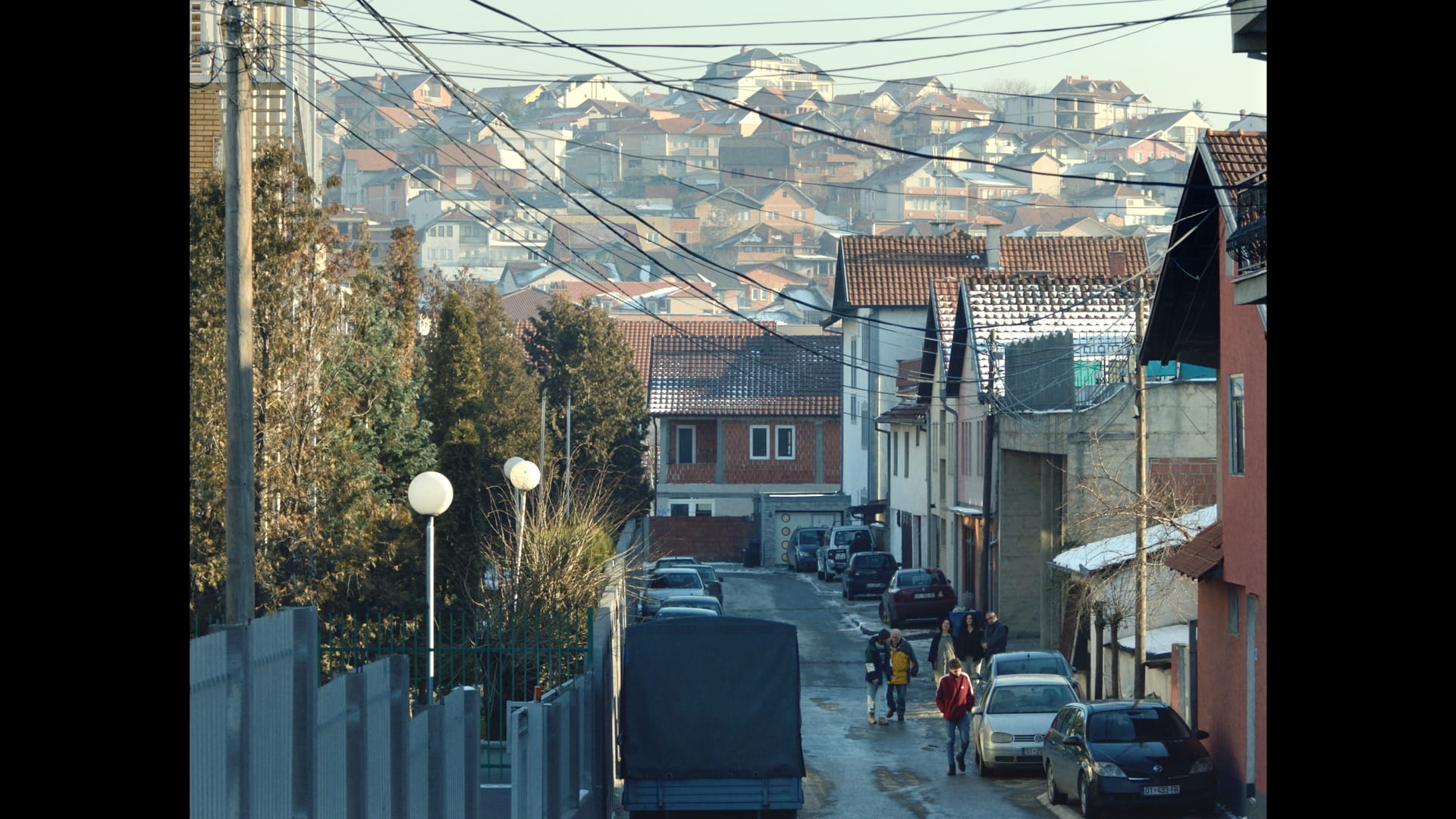
Film screen from “Prishtinë, 2002”
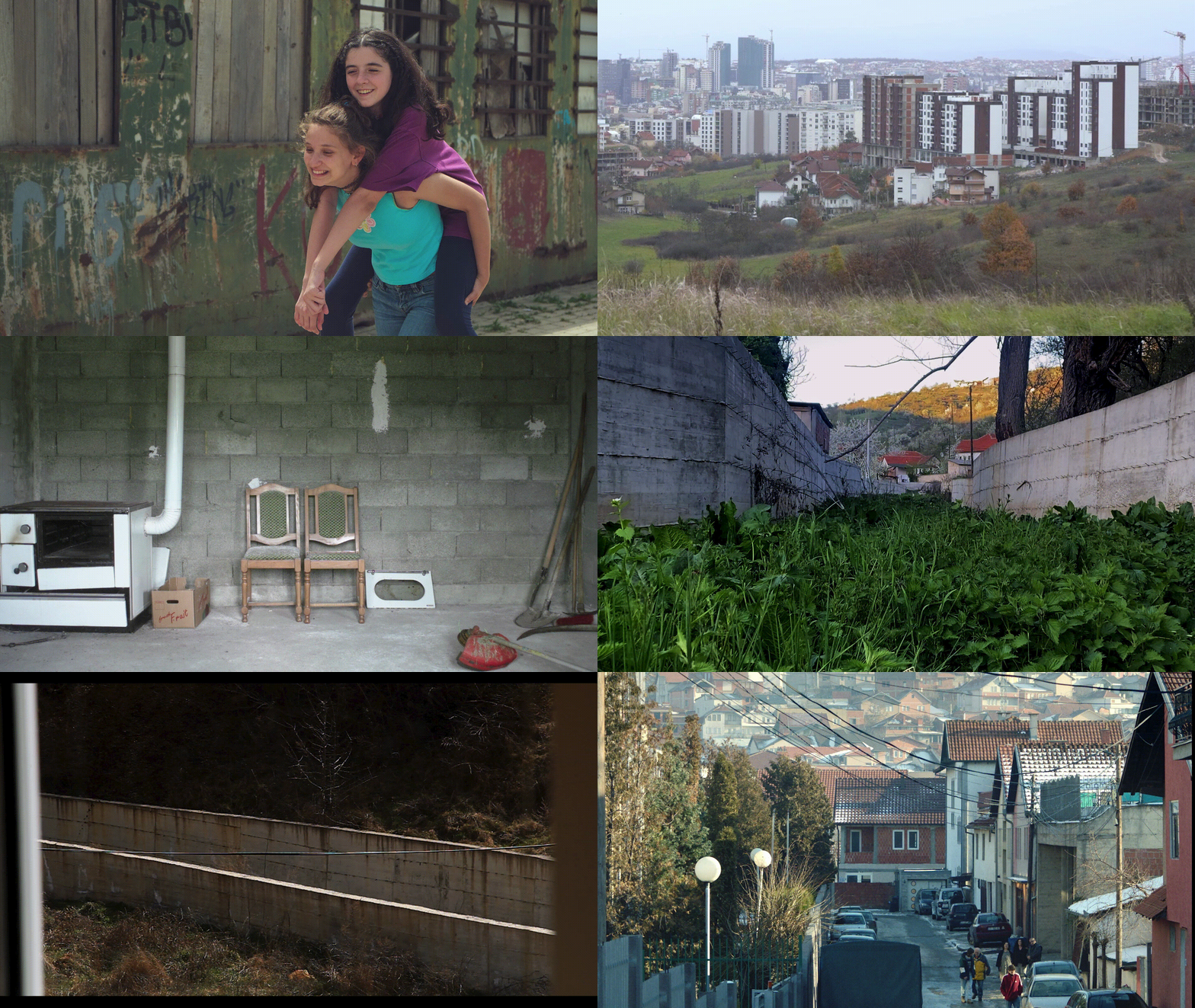
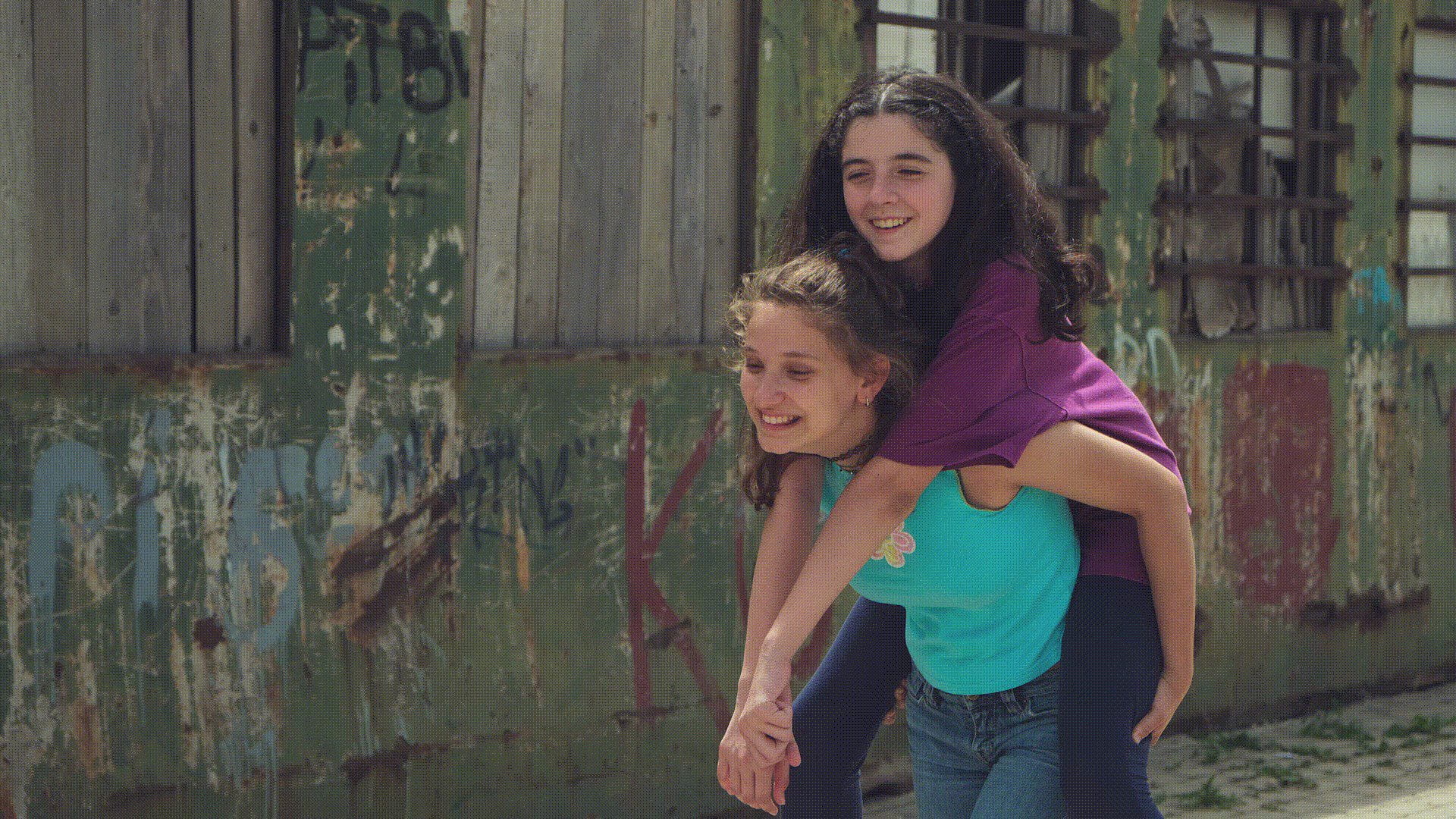
It was a challenge to create the film because Prishtina has undergone a terrible transformation, and very few places have remained from that time.
As for the Serbian graffiti, of course they have been covered, so we had to recreate it. We got permission from the police, but something interesting happened. In Ulpiana, a woman was
Film screen from “The Future is Better, Comrade”
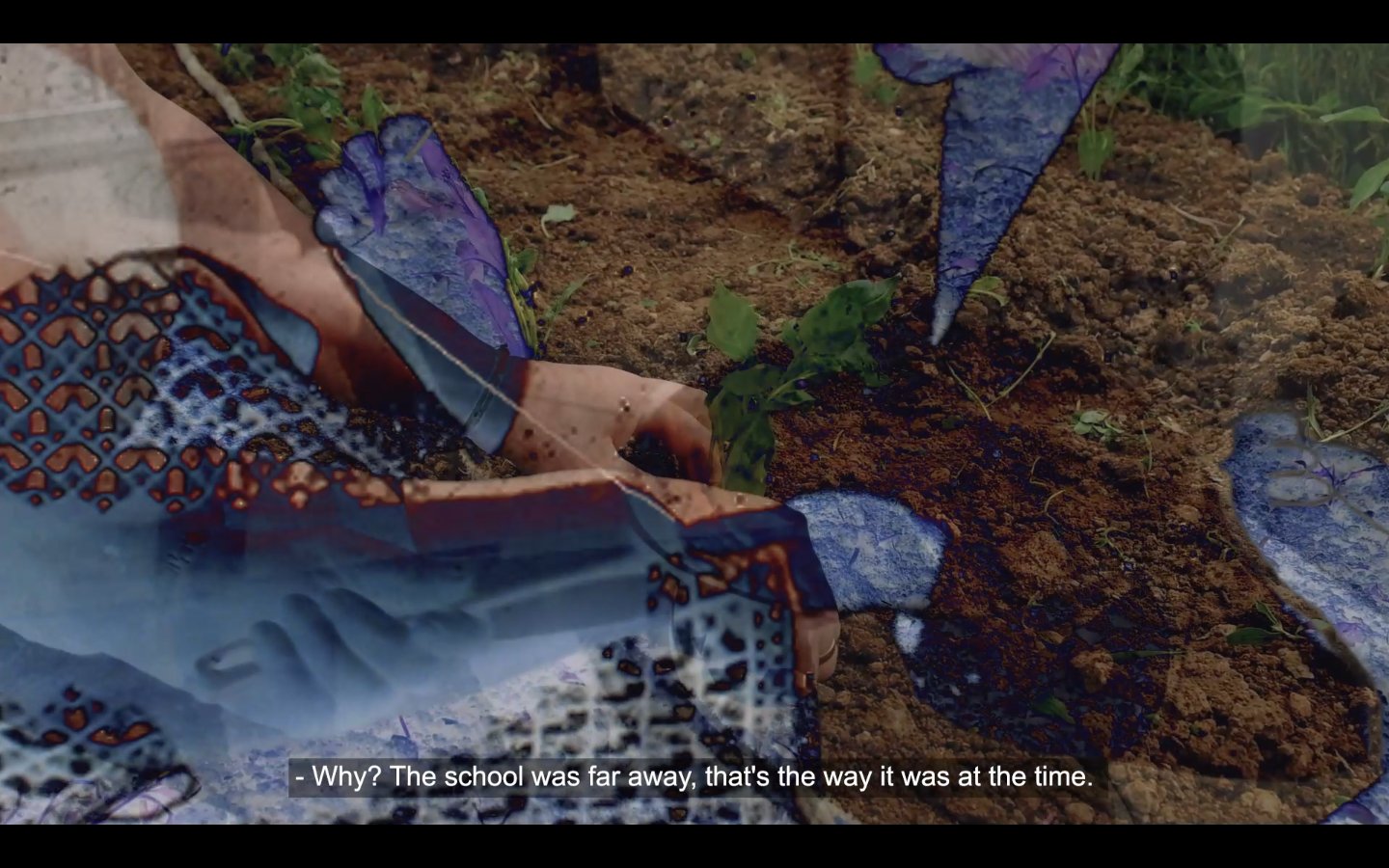
For “The Future is Better, Comrade,” I only had the camera with me. I was just going to a village, stopping the car, taking the camera and knocking on doors.
Most of these women have either finished fourth grade or eighth grade of school, and most of them are illiterate. I’d sit with them and they offer me a coffee and then we talk. One thing they always talked about was school, how they wanted more, about why they couldn’t finish school. It was about the abandoned dreams that
Film screen from “I kemi varros baballarët”
I go to Kosovo almost every year, to create links with my family, with my country. This made it easier to go and make a film there. It was also great to make a film there because I got to be with my family and have them be part of the movie. There is a scene where all my family is in the film.
When the nephew gives some wood to the father — he is in fact my real father and then there is a scene in the living room where a family is seen — that is my real family, my uncle, my nephews, my aunts and my mom.
It was the most difficult scene I made. Not because it was difficult to have them play in the film, but it is difficult to make a very personal film with your family, because you expose yourself a lot. In the end, they had fun, they acted very well. They had fun because they met my friends from France, friends whom they did not have the opportunity to meet earlier.
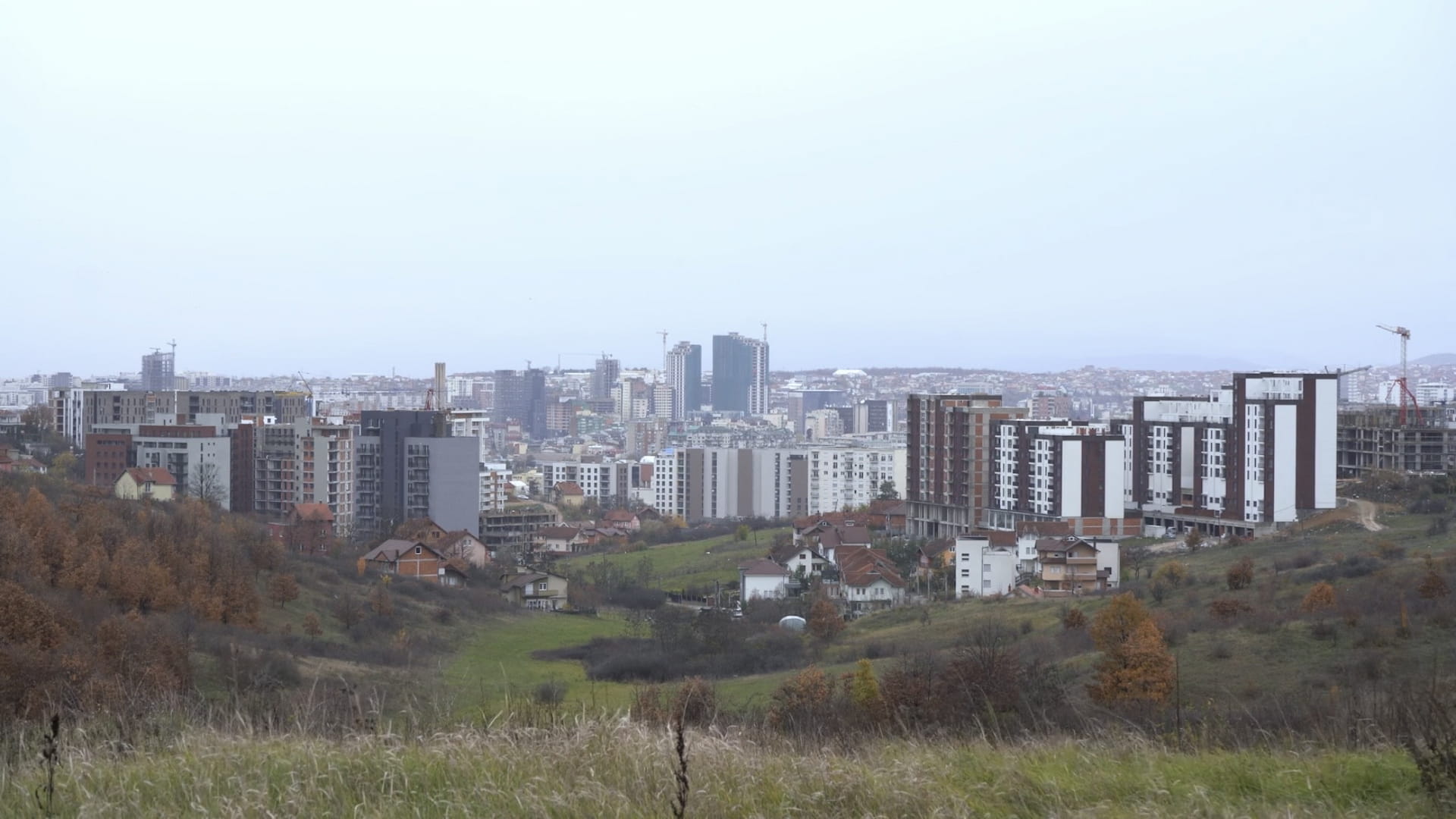
Film screen from “Concrete Couriers”
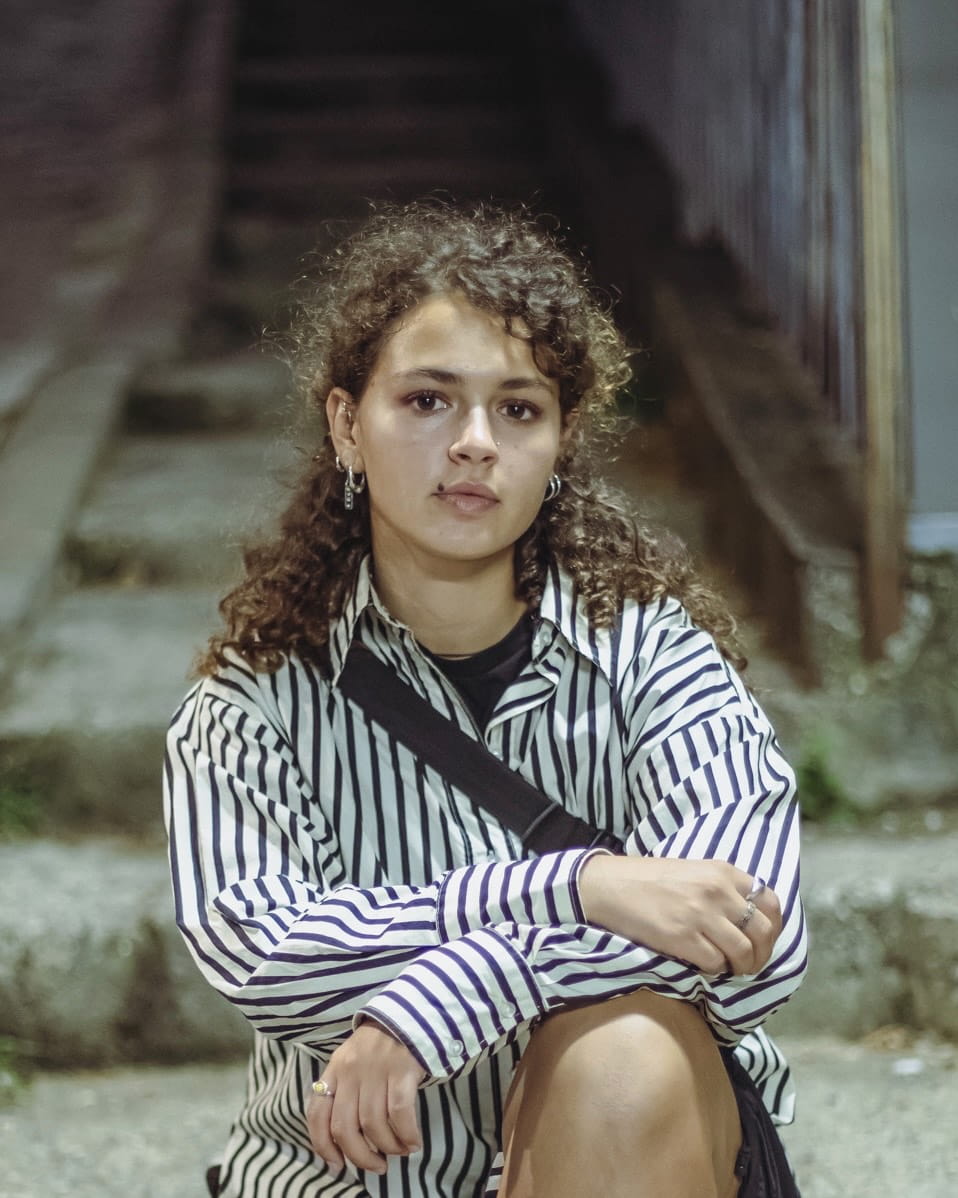
As a sociologist, I always wanted to use film as a medium, but what gave me the courage and confidence to enter this field without prior experience were two workshops, one held by DokuFest in 2022 and the other through Kino ARMATA, a program called Neo_School.
I think that the best directors are those that don’t necessarily come from a filmmaking background, but those who bring to film their field of expertise from another area.
Prior to shooting, you have an idea of what the film will look like, but without being in the field, without taking the footage you don’t know which elements will come together. My team was really great and our cooperation was perfect. One of the difficulties was time, as we only had one day to shoot the film, but this also made it beautiful, because despite the difficulty we made it. I am overjoyed to have been selected for
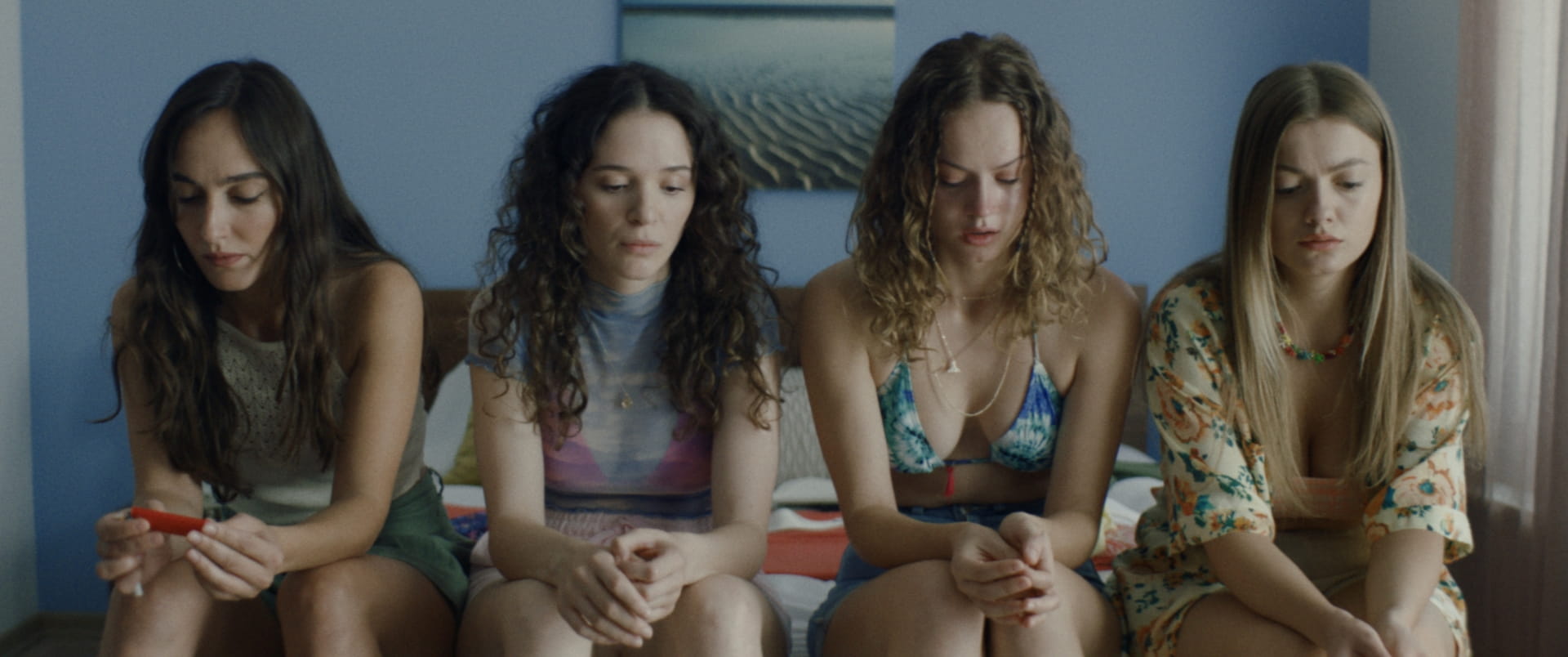
Film screen from “Hana e Re”
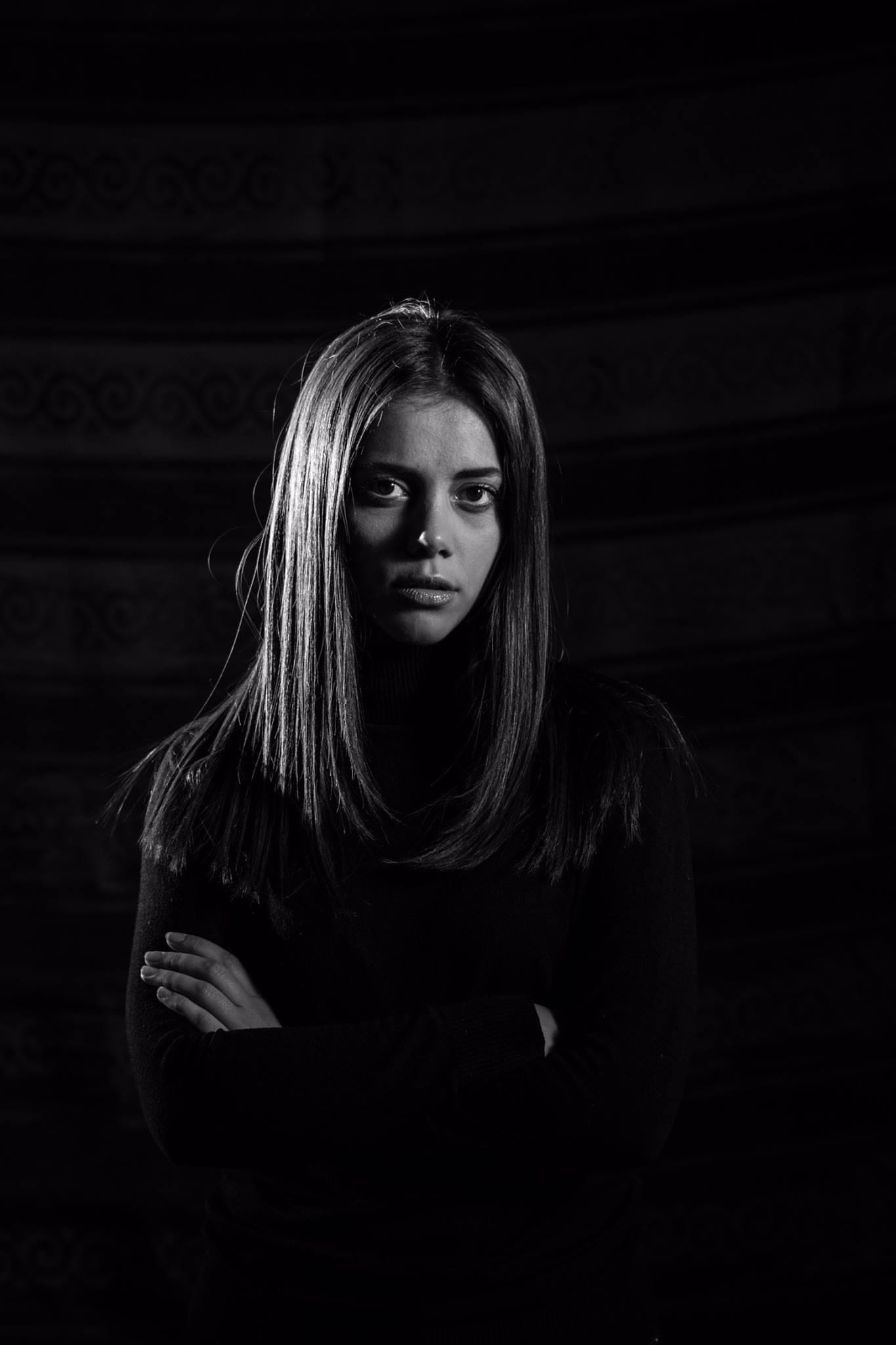
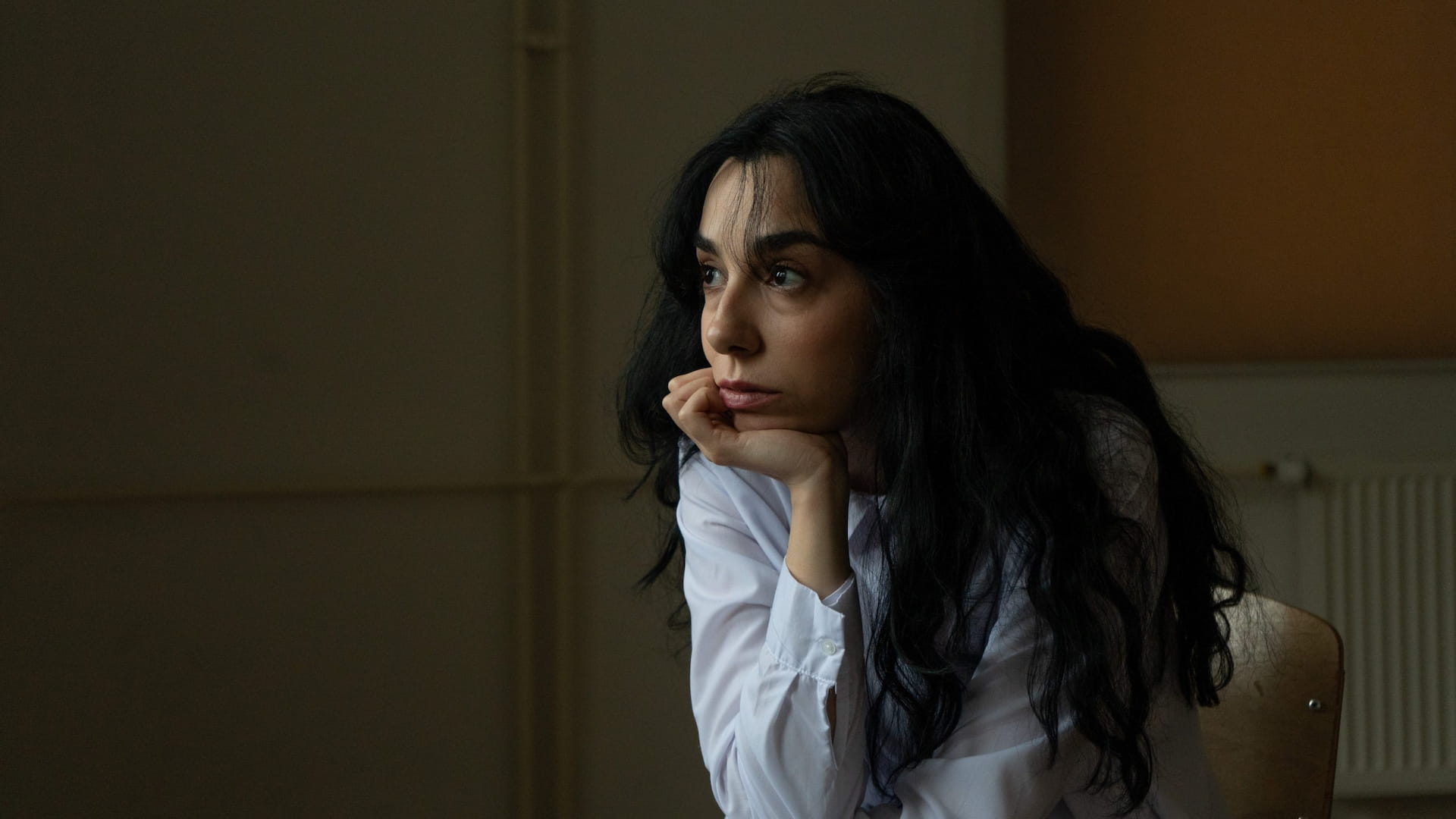
I really want the actor to give life to the character in their own way. No matter how much I explain what I want to show or what I want to express, it is very difficult for the actor because they have not seen it. That’s why I really want him or her to add their experience to the character. I usually have a character profile, I take the character and write down the name, how old their parents are and when they were born, if he/she is the first or second child, what they enjoy doing, and like, what would they do if they won 1 million euros.
There are some questions that I ask my character, and then when I give it to the actor, I ask them what they would do, not me.
The film has an open ending. Hana is confronted with a big decision. Whatever decision she makes is neither right nor wrong. There is no good or bad. The public does not know exactly. When the film ends, everyone in the audience has to make their own decision. I didn’t want to determine Hana’s decision because I am different from her and I didn’t want to dictate what is
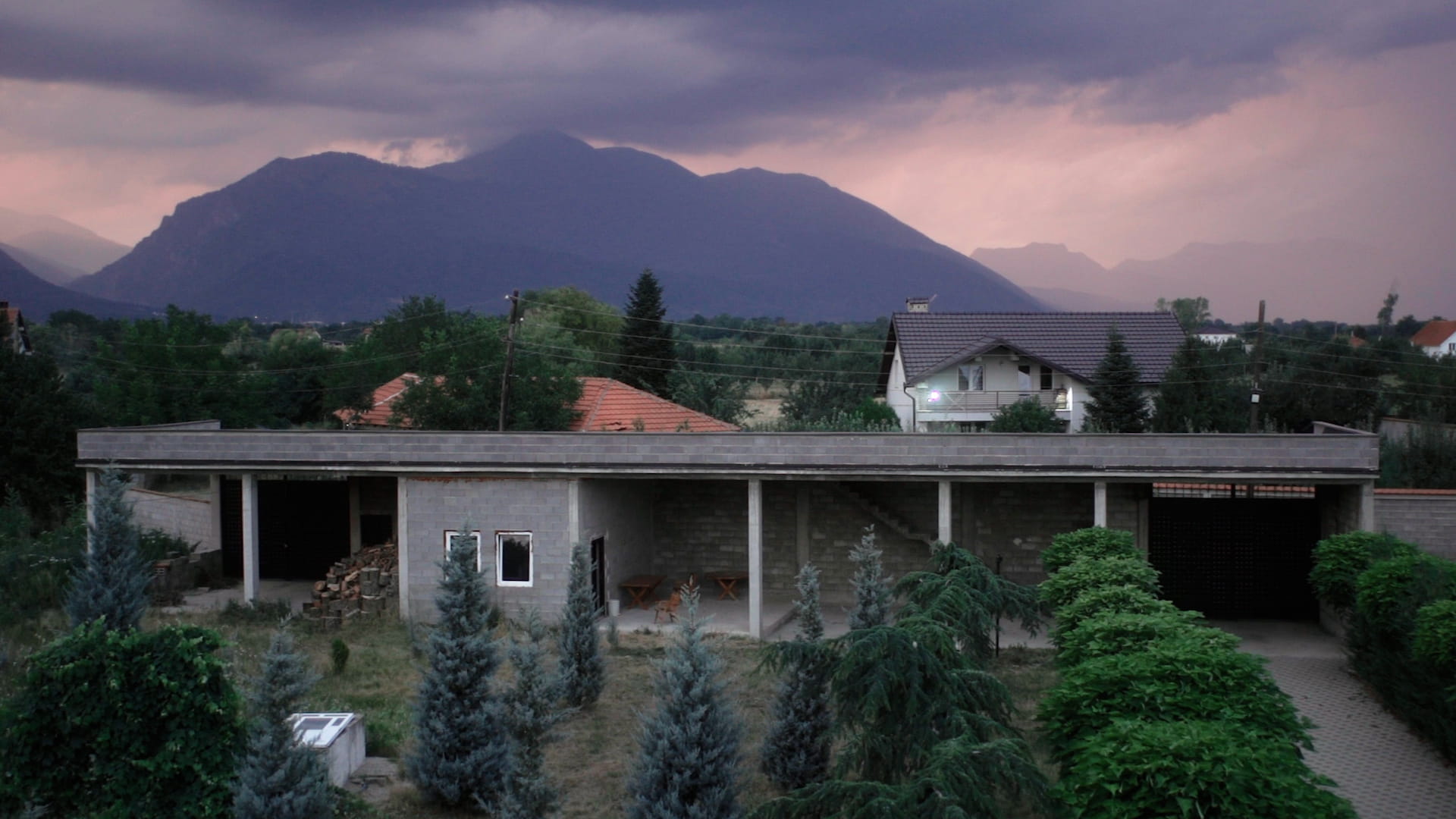
Film screen from “Mut me lule”
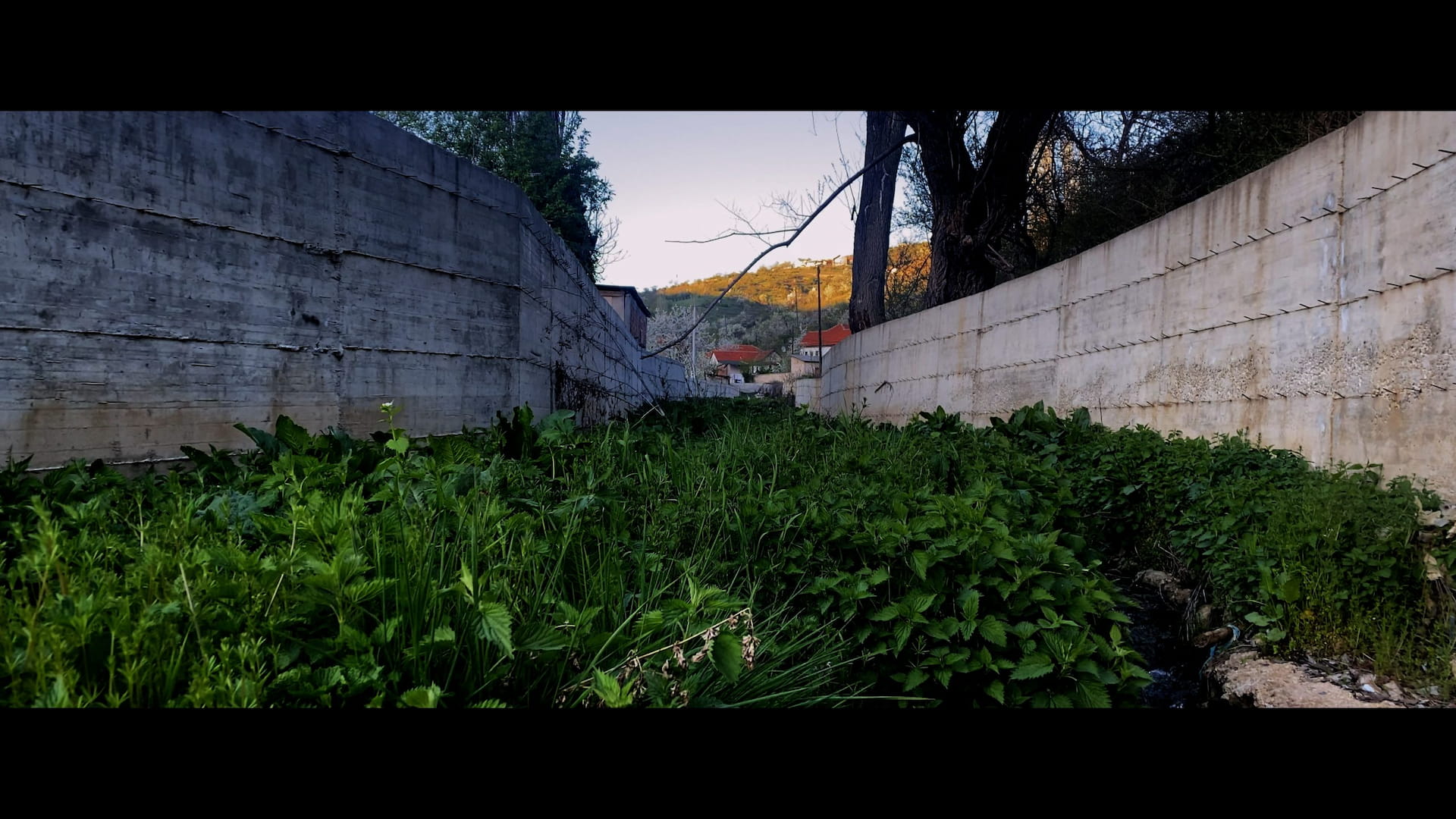
Film screen from “we were, however, able to see the construction”
Aulonë Kadriu
Aulonë Kadriu is a journalist, researcher and editor pursuing an MA in journalism at New York University as a Fulbright scholar. She holds a bachelor’s degree in political science and a graduate certificate in women, gender and sexuality. She is a former K2.0 senior editor.
Daniel Petrick
Daniel Petrick is K2.0’s former Senior Editor. He writes about the Balkans.
This story was originally written in English.