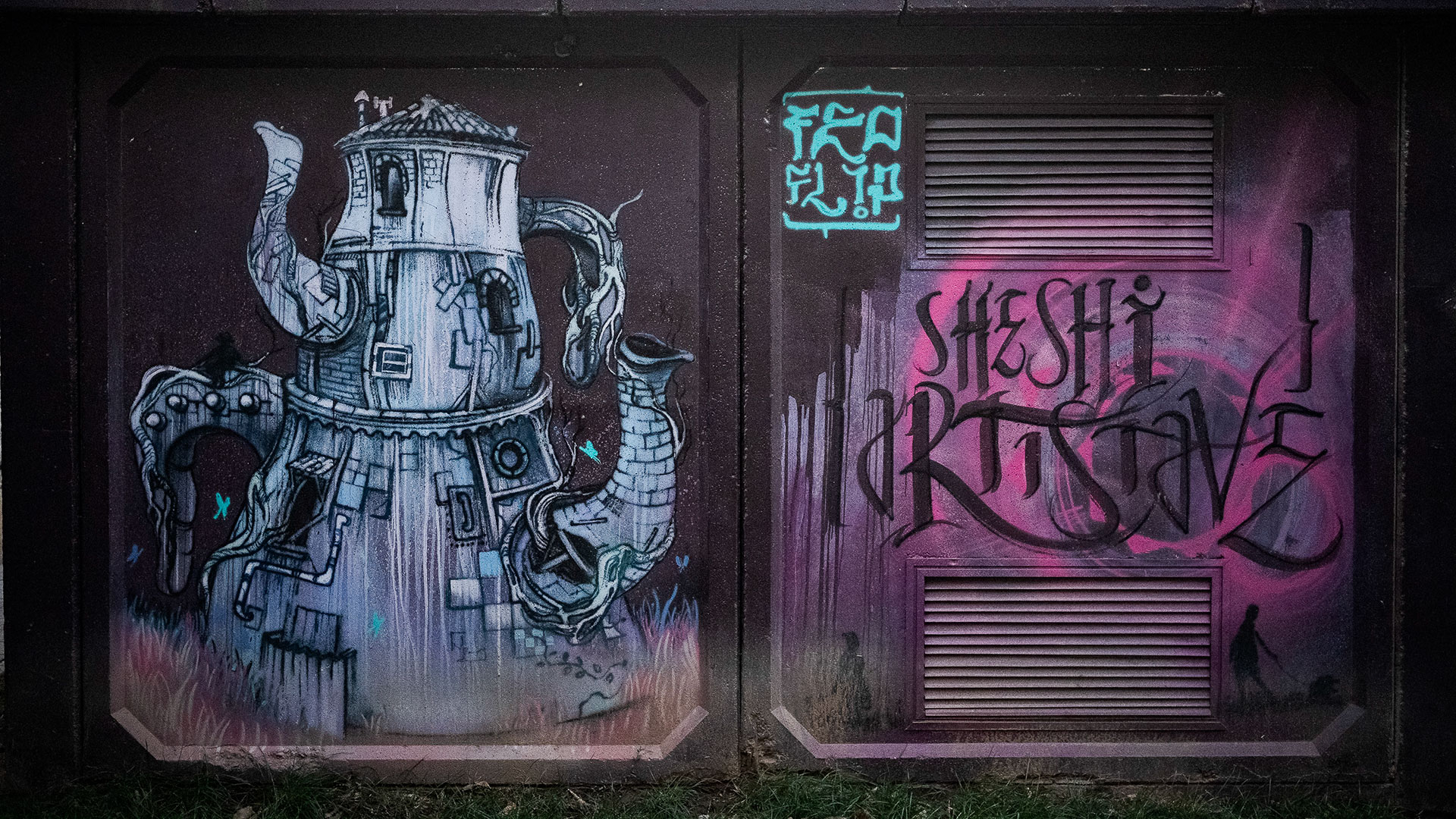
What happens in the artists' neighborhood stays in the artists' neighborhood
The community of Egnatia Street in Ulpiana, between artistic explosion and gentrification.
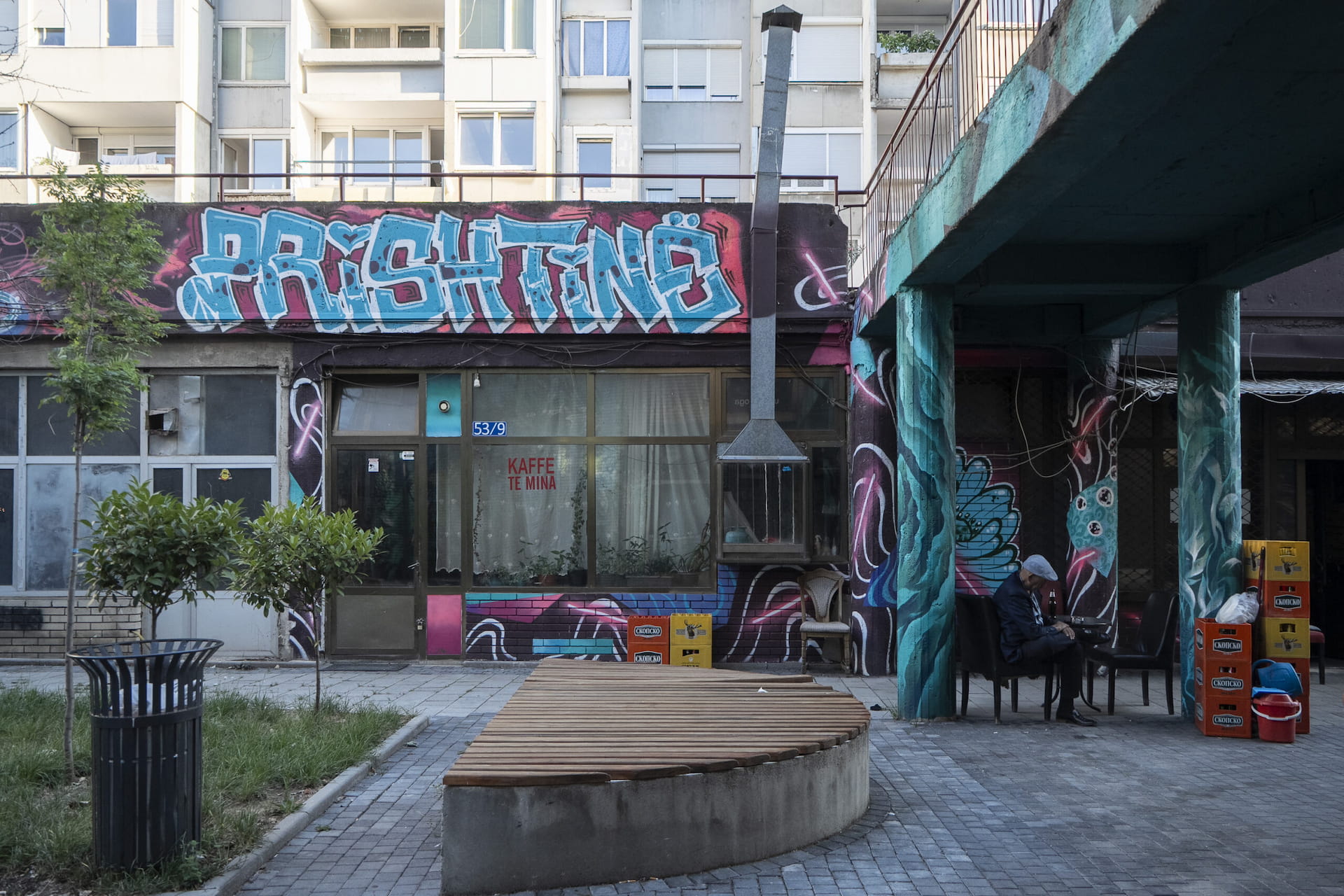
Murals created by the organization Q’art in 2024, which have transformed the appearance of “Egnatia” street.
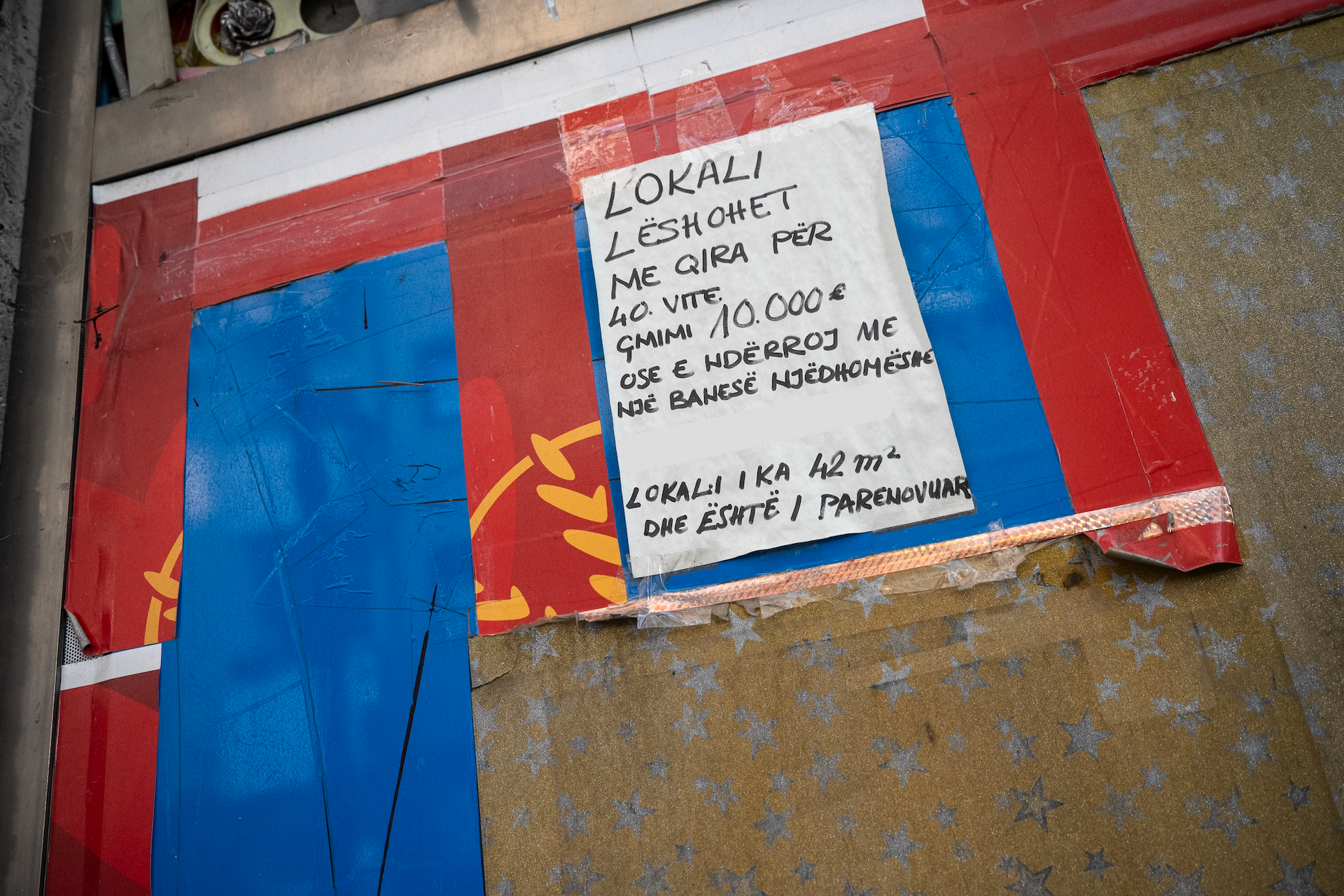
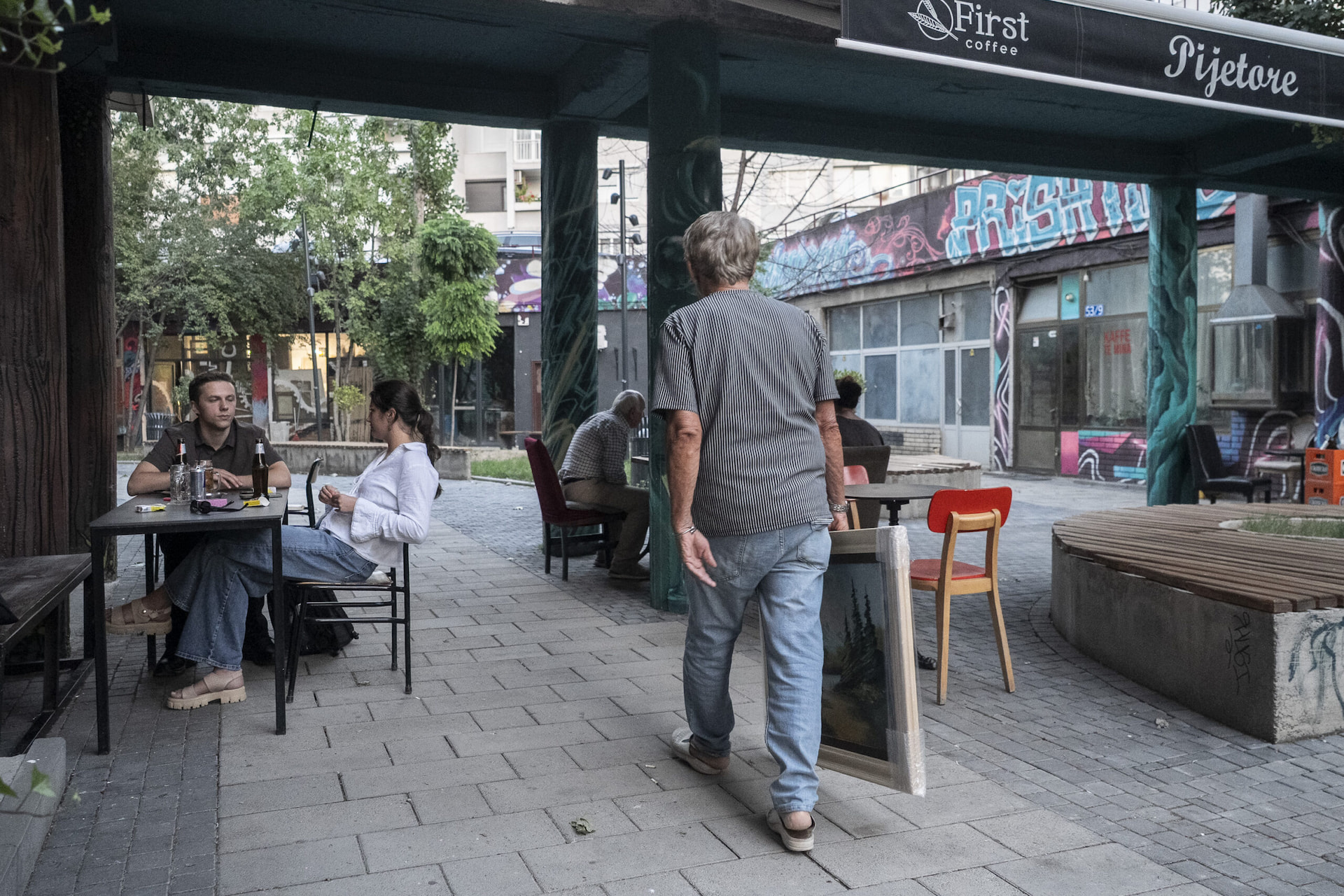
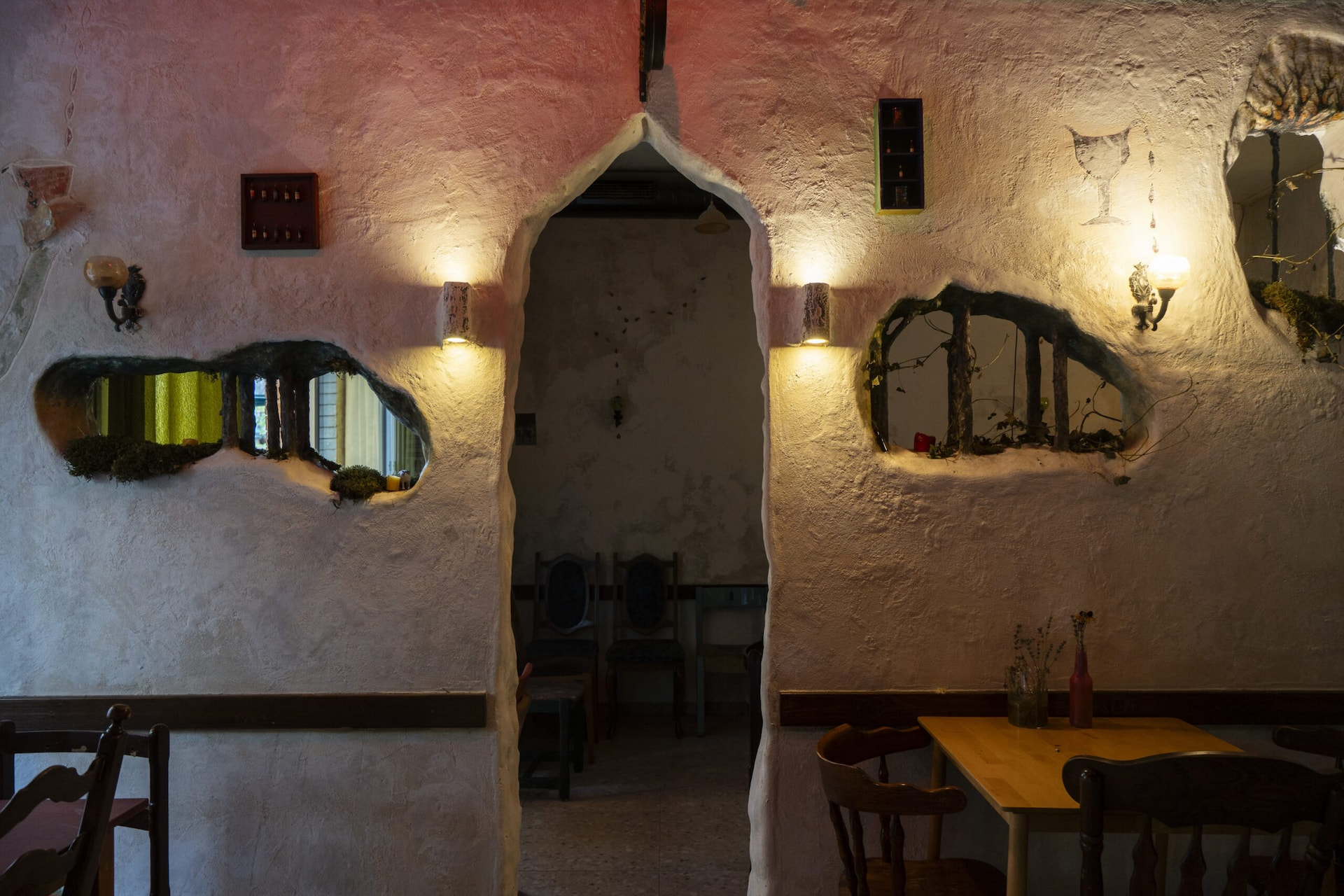
The artist community is experiencing a significant increase in rent, alongside a rise in the number of bars and other social centers in the neighborhood.
At that time, the rent for these spaces was as low as 40–50 euros, but in recent years, these prices have become rare, with the rent now ranging between 150–250 euros, depending on the size of the space. Some of these premises do not even have toilets, yet they continue to serve as spaces for artistic creativity.
Following the pandemic, specifically after 2021, other artists’ studios and spaces for various cultural and social organizations began to appear in the neighborhood. Following the pandemic, specifically after 2021, other artists’ studios and spaces for various cultural and social
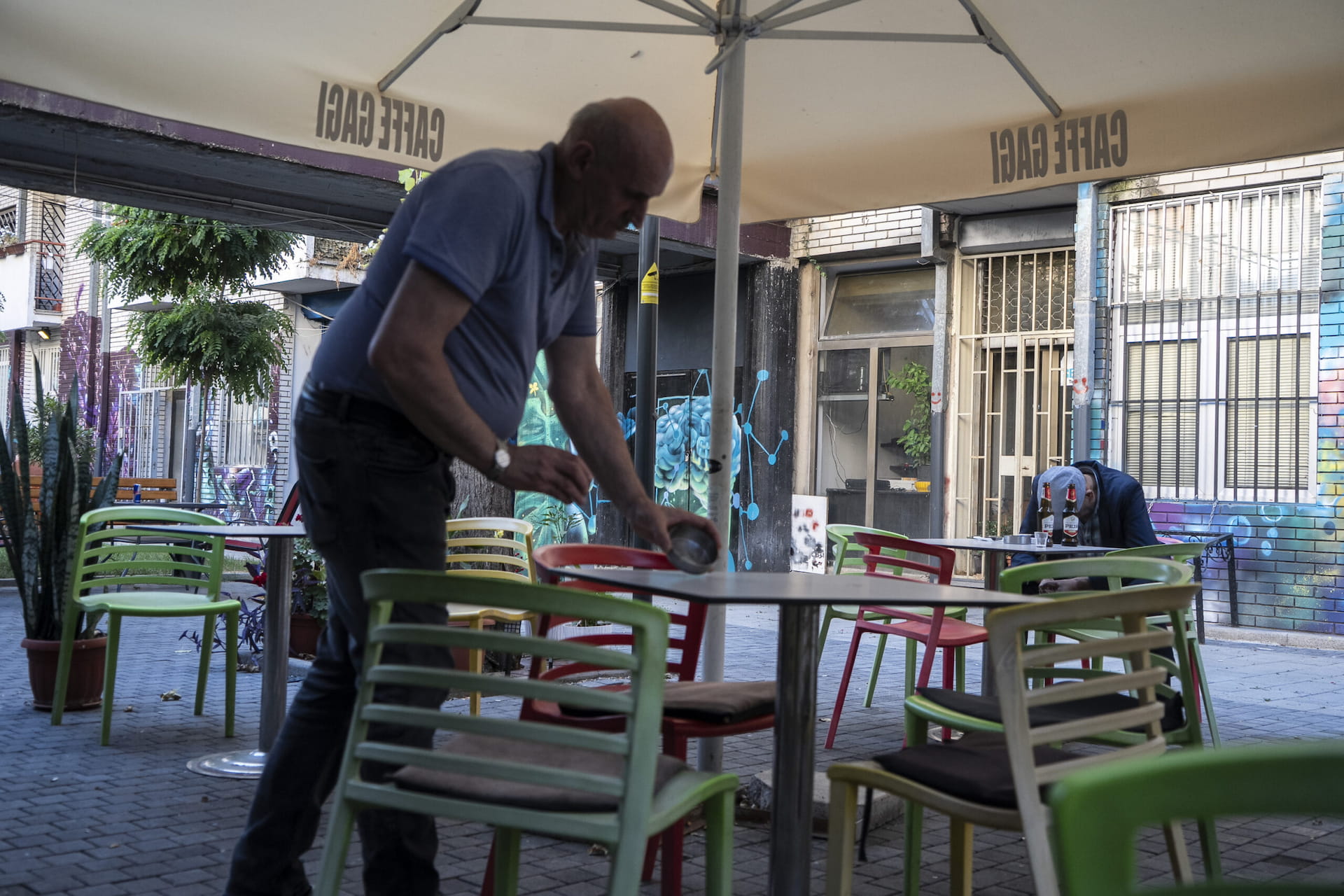
Elez Demolli, owner of the cafe Gagi, which he opened in this neighborhood in 2011.
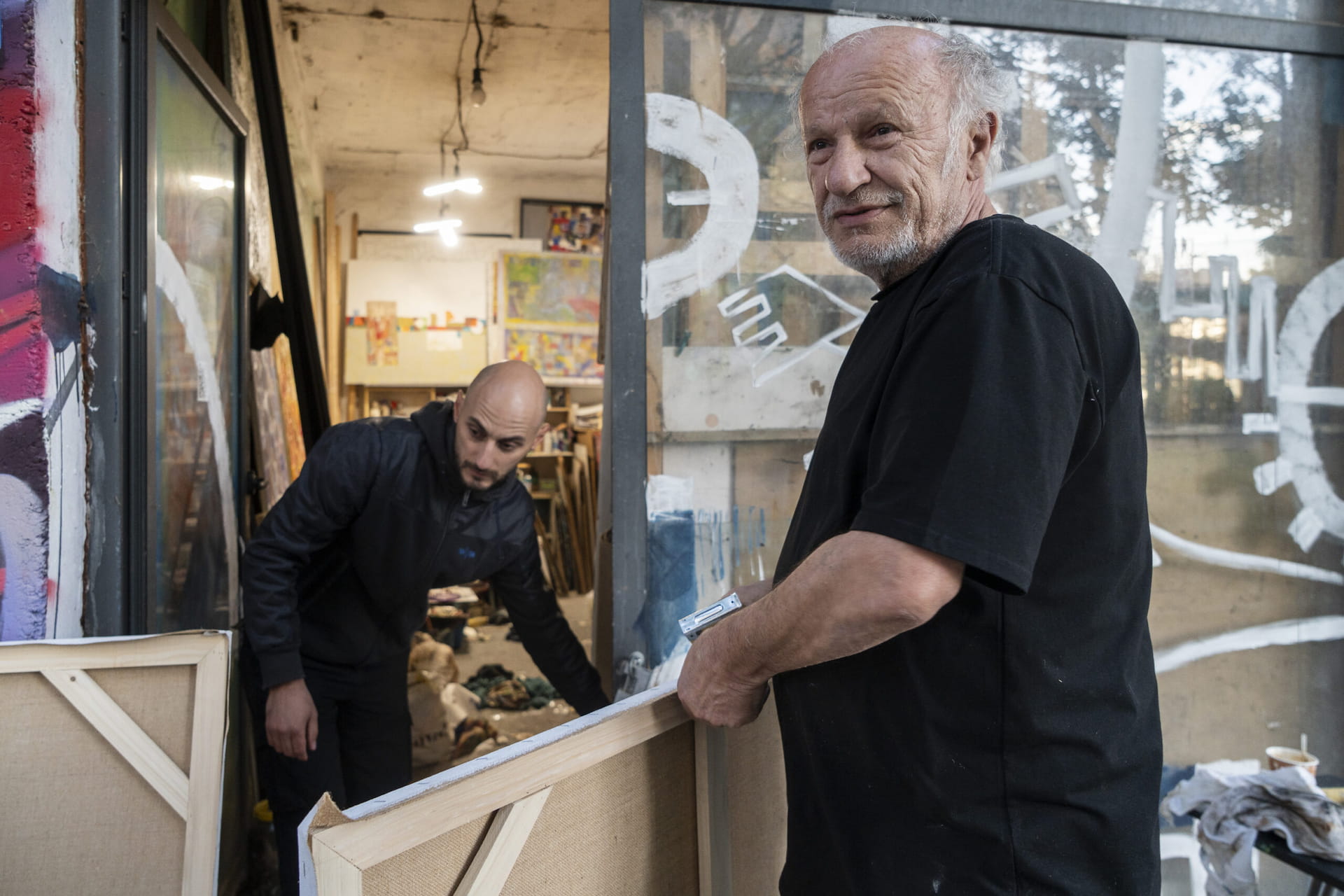
Loading paintings inside their studio, on the left, painter Hekuran Sokoli, on the right, painter Agron Mulliqi.
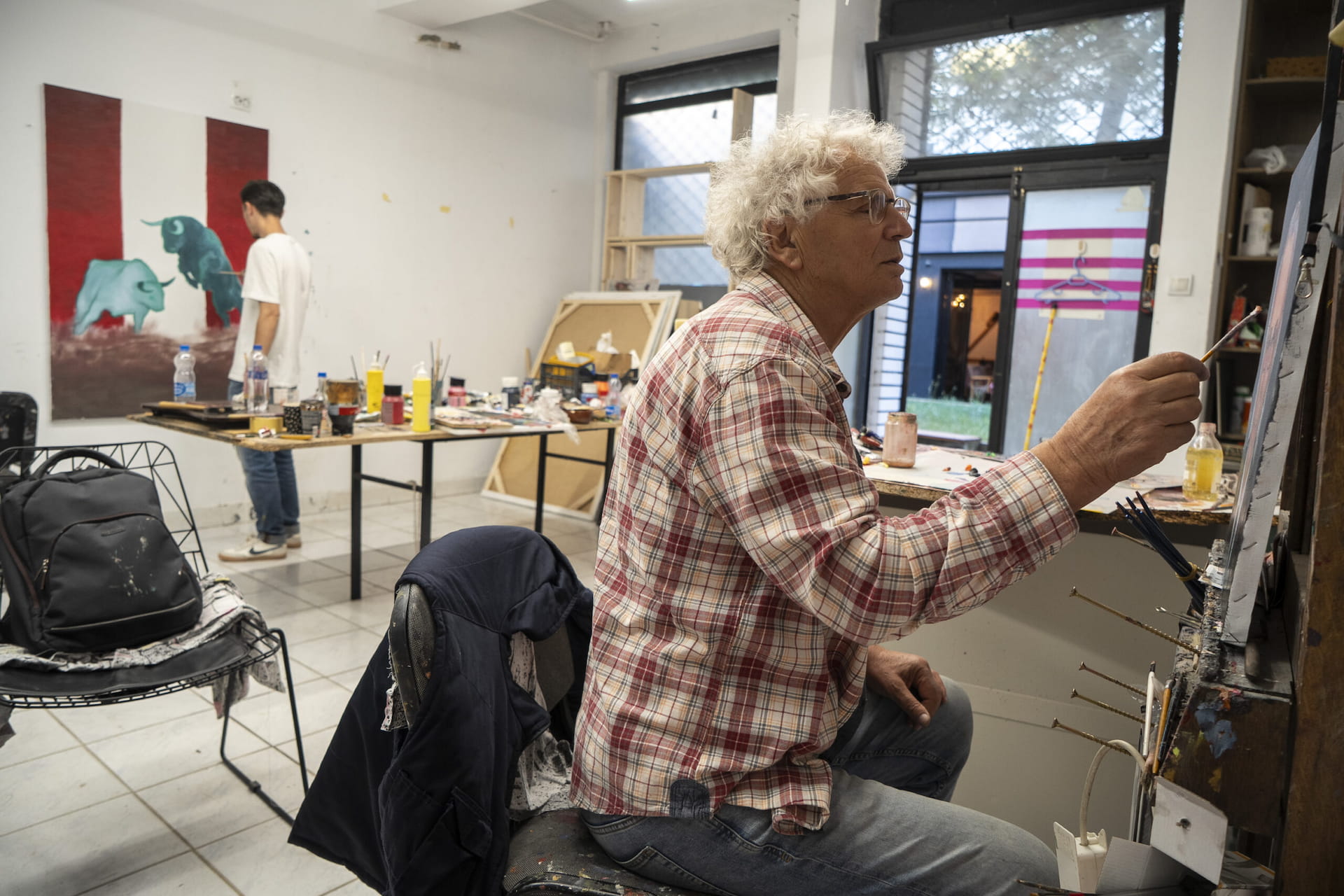
Painter Musa Kalaveshi stands on the right, sharing his studio with Zog Limani, his former student and now a fellow painter, who is on the left.
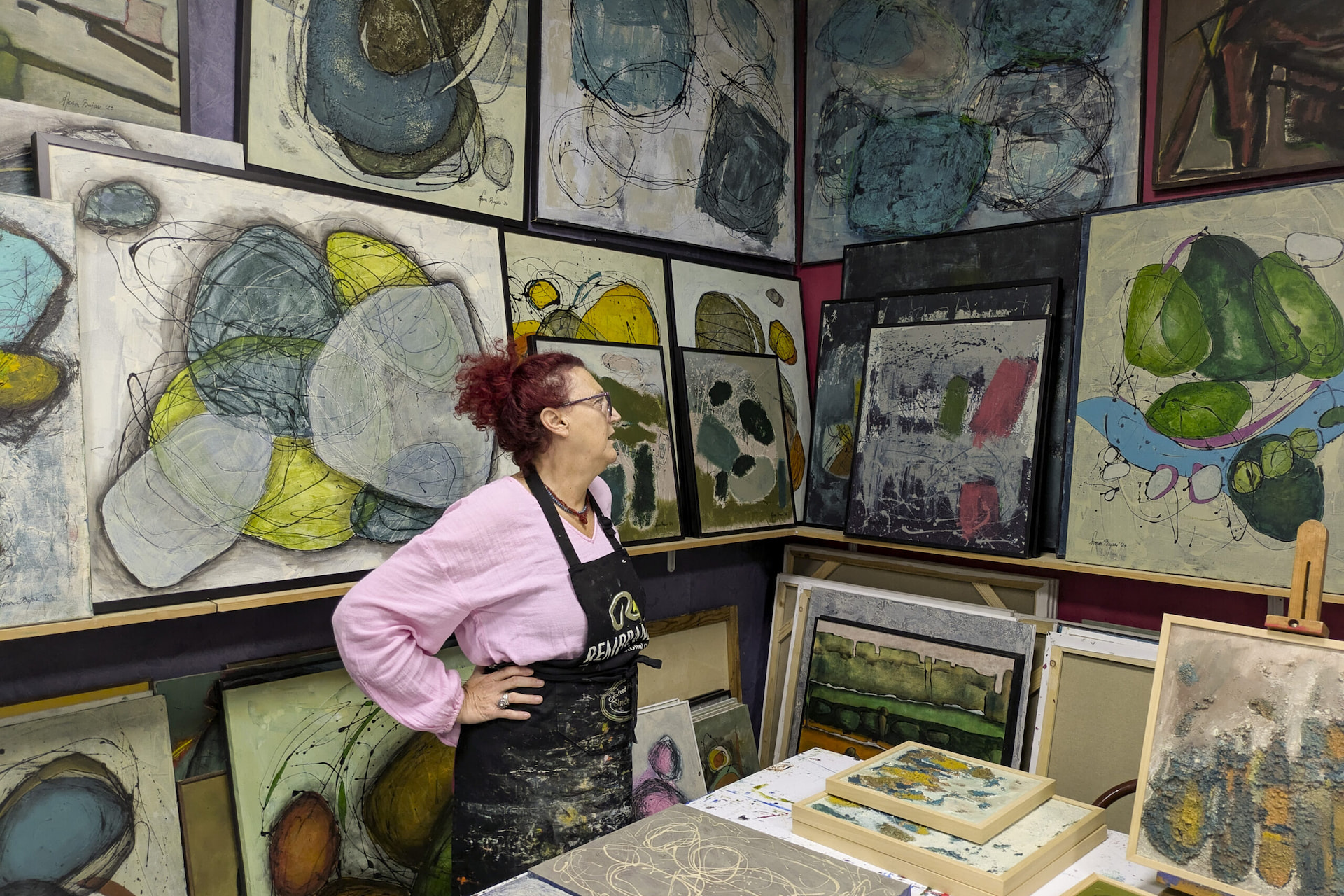
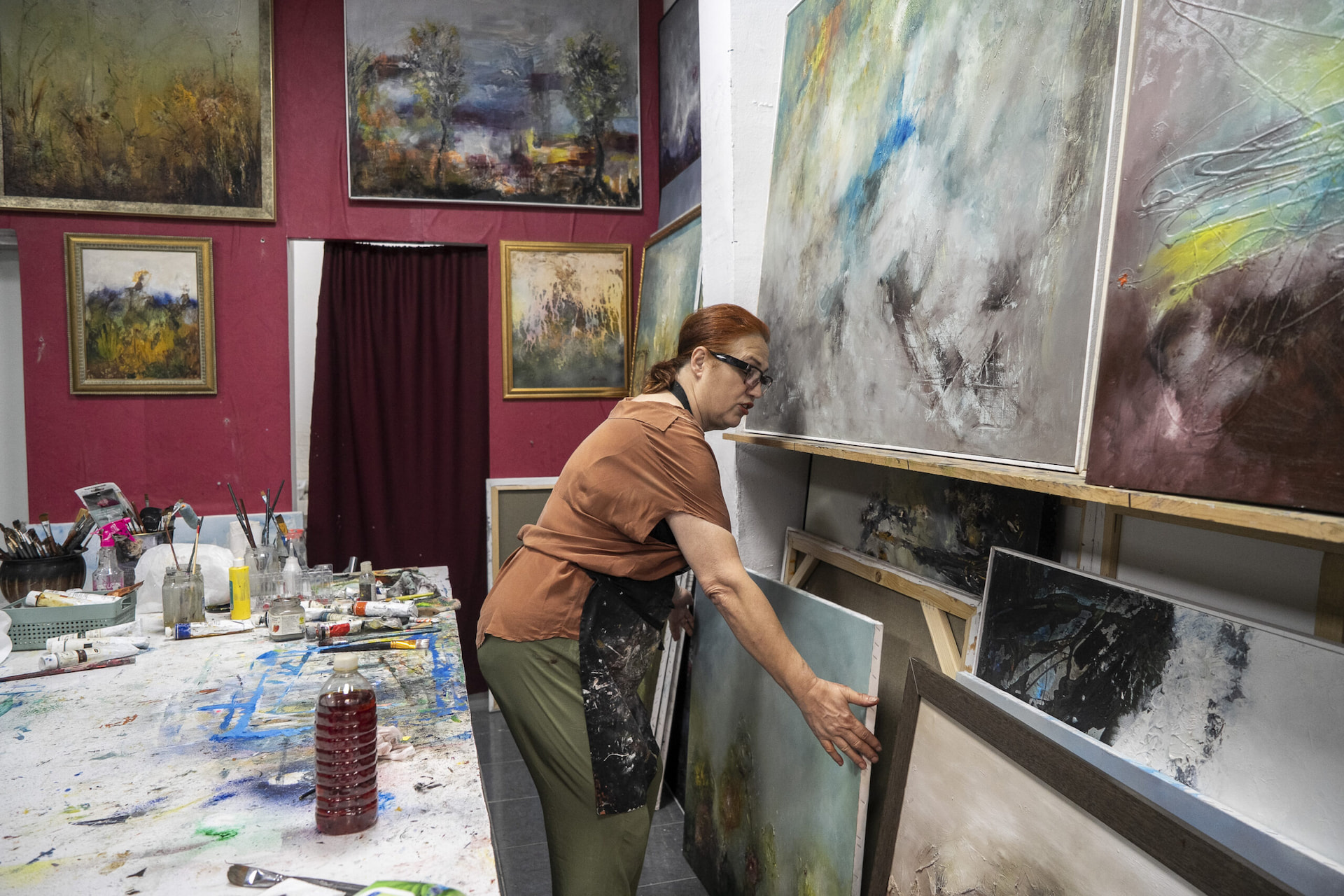
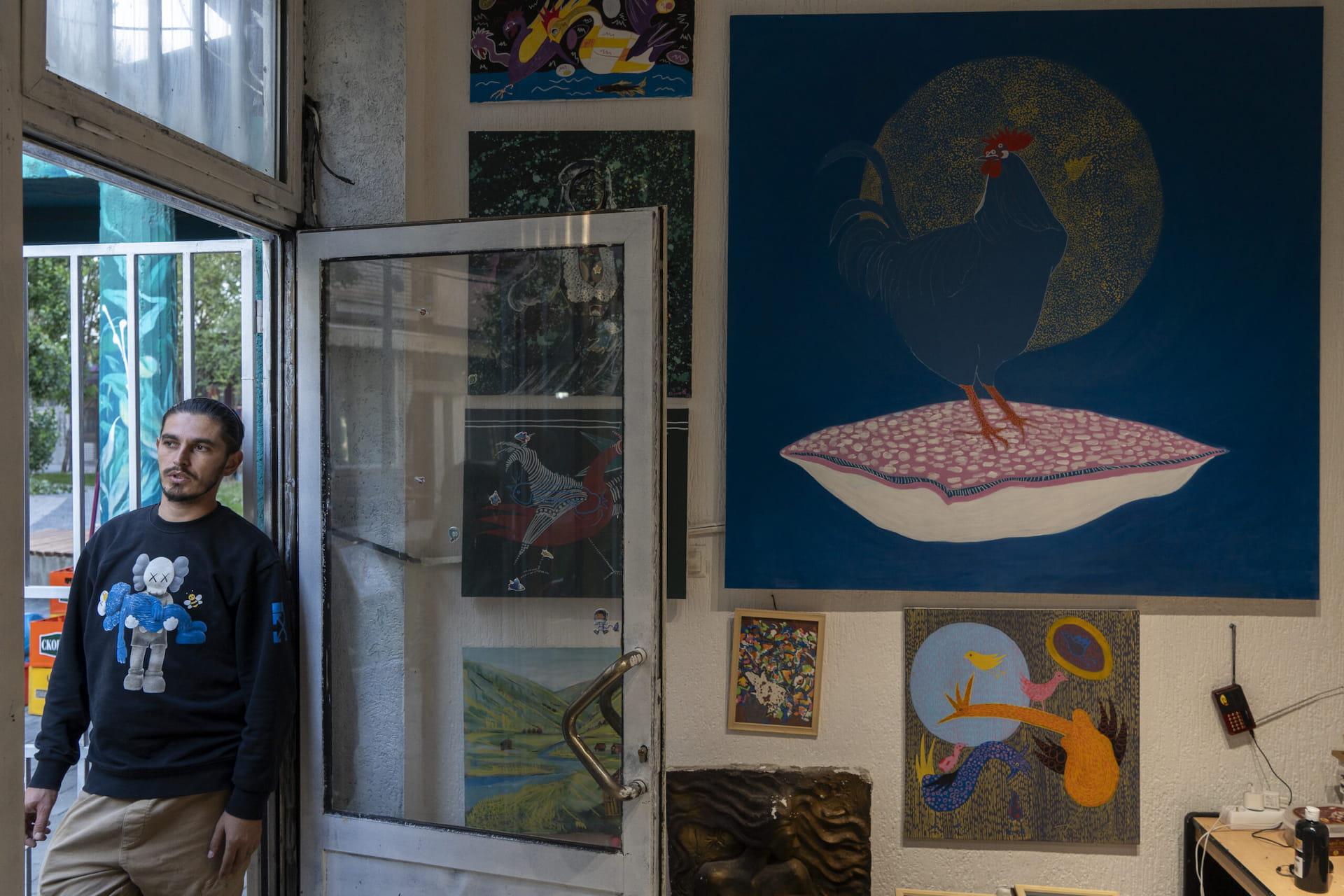
Arianit Lakna, painter from Kamenica, with the studio he has had in the artists' neighborhood since 2024.
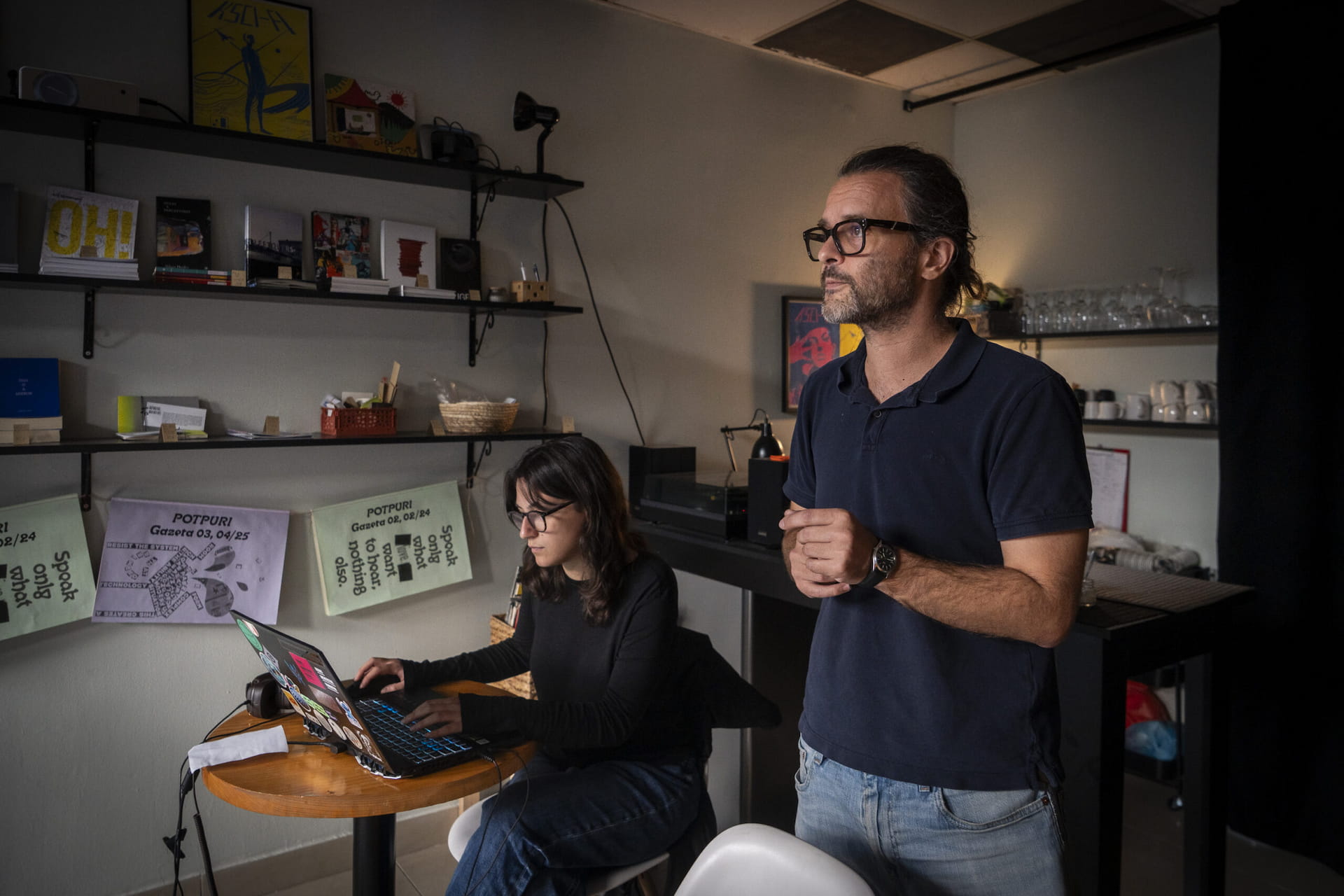
“Sometimes I hear someone say: ‘This road has the potential to become like kafet e rakis', I’m like, I hope not” said Artrit Bytyçi.
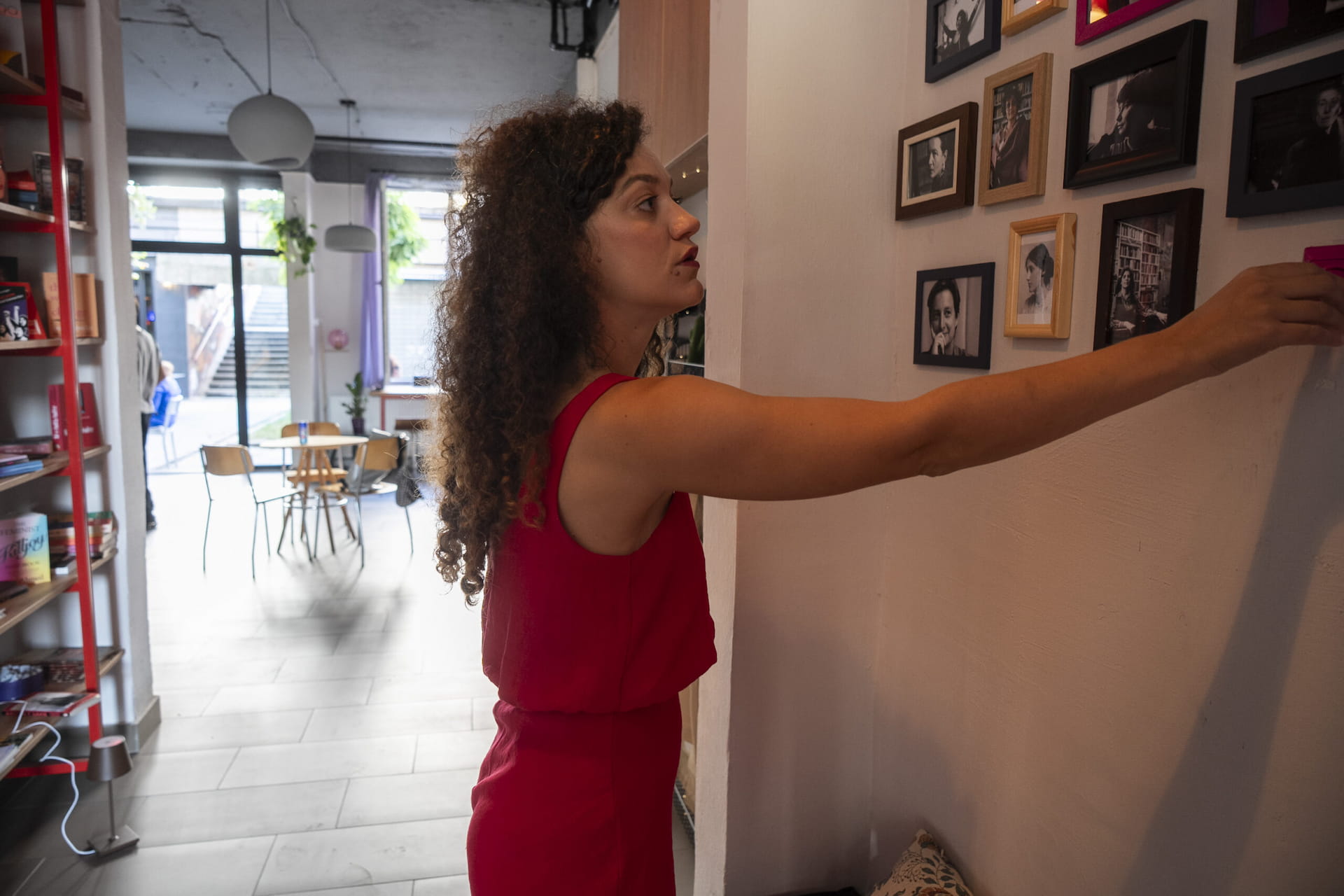
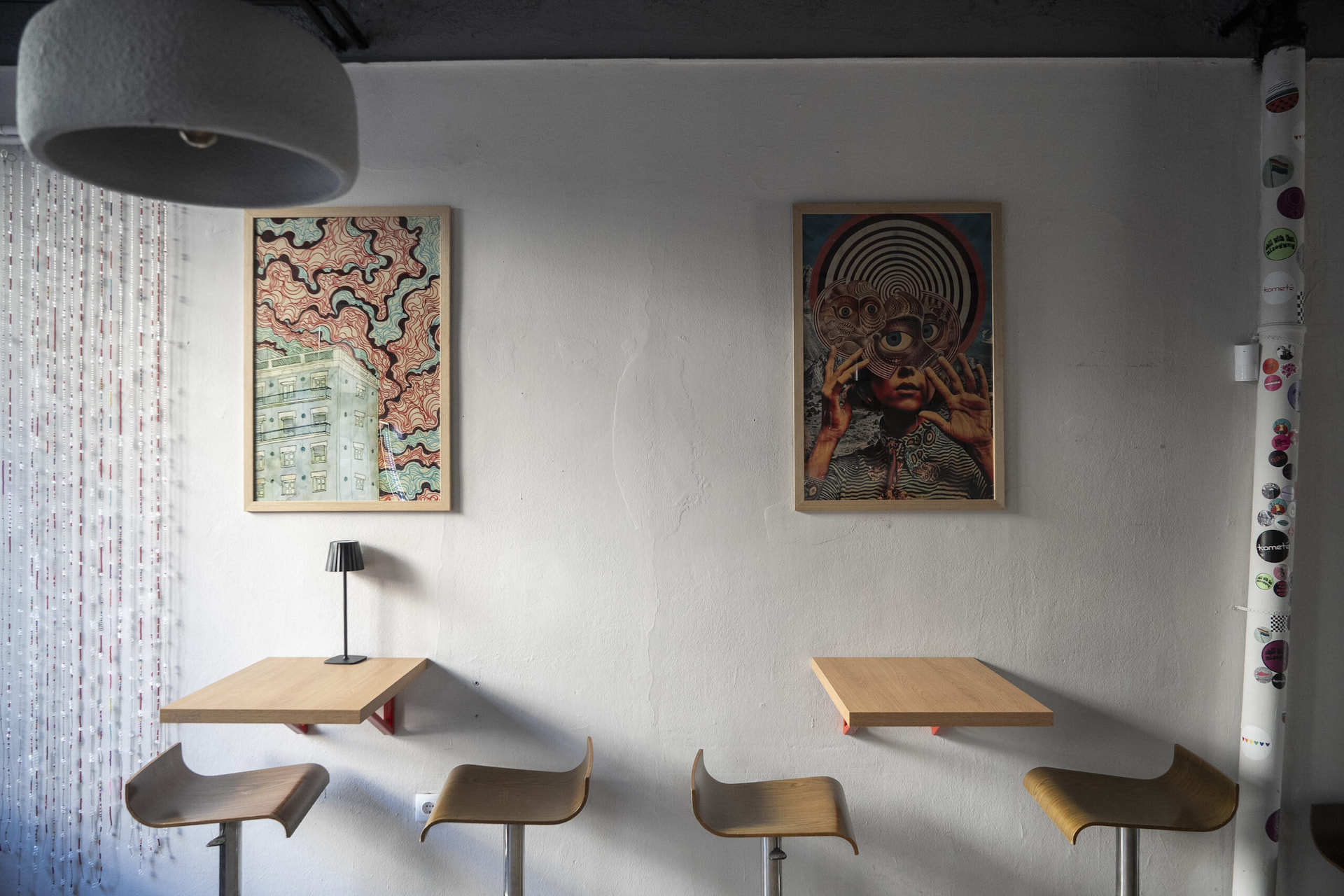
“Social spaces are environments that provide a ‘home away from home’ for students who come to Prishtina,” said Leonida Molliqaj, founder of Kometa.
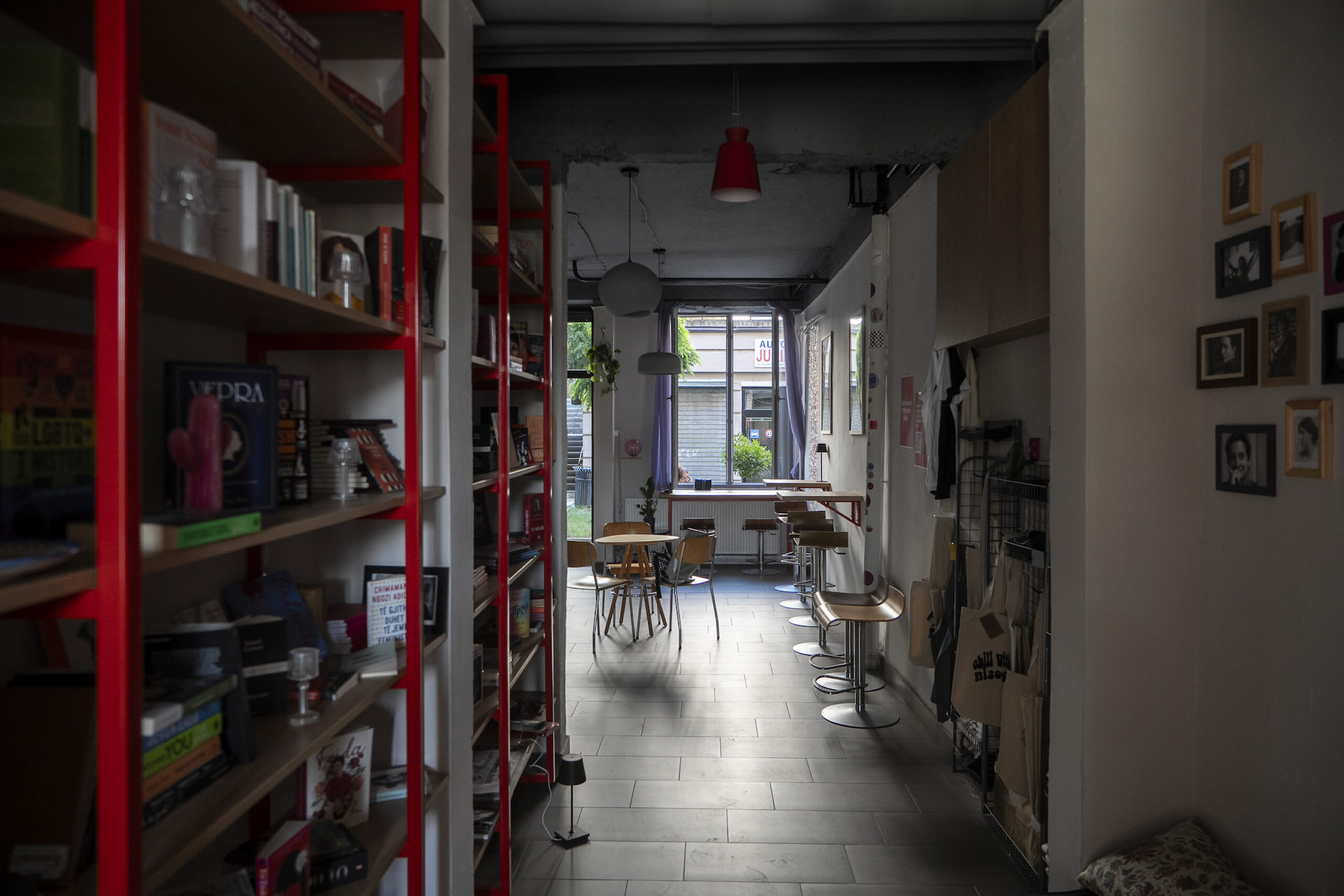
"Where artists go, businessmen go; where businessmen go, prices rise, and there is no longer room for artists."
Valmira Rashiti
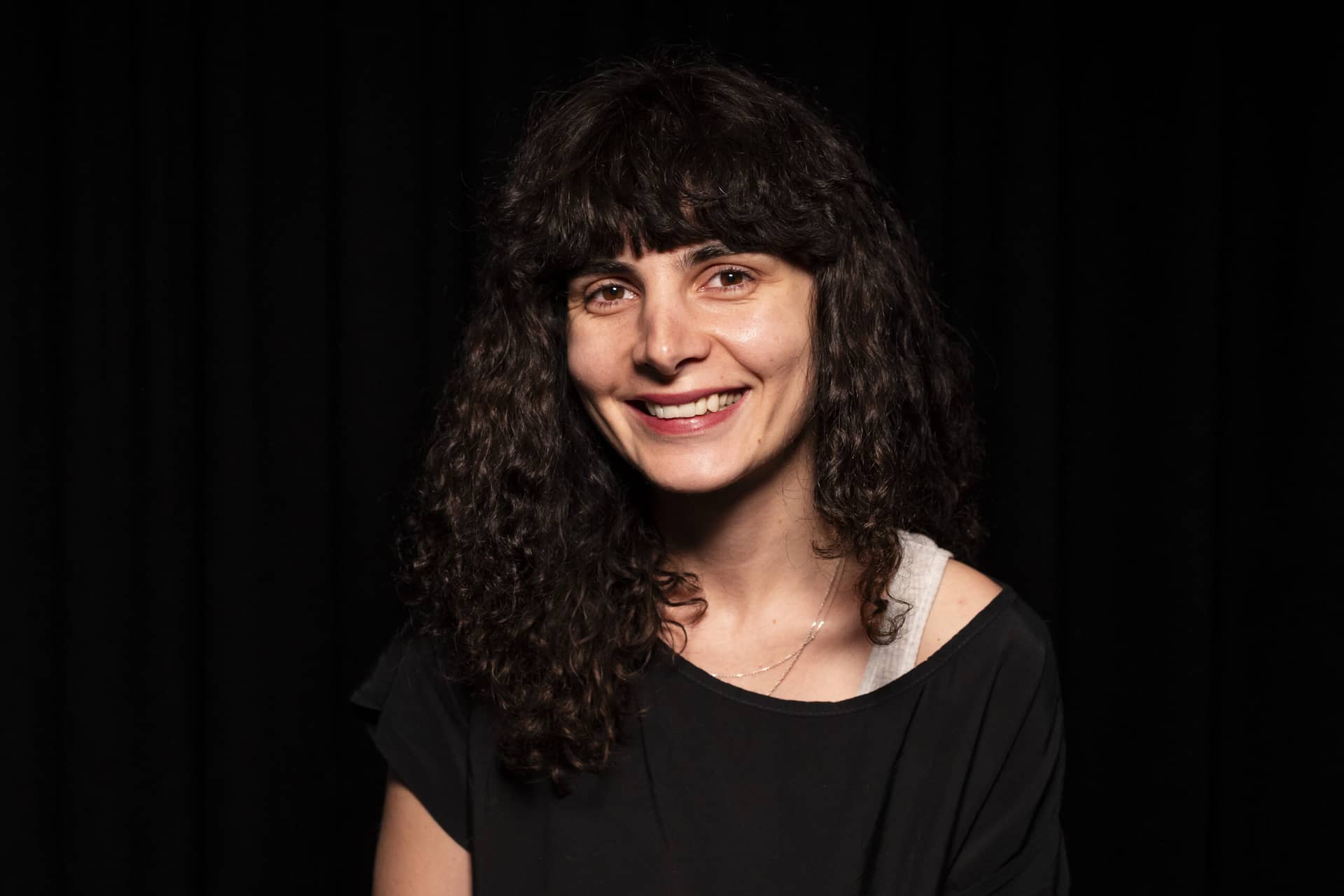
Valmira Rashiti has a bachelor’s degree in Law and Cultural Anthropology from the University of Prishtina.
This story was originally written in Albanian.