Protecting the environment in the Western Balkans
Industry, resource exploitation, and construction in protected areas are threatening both public health and the environment across the region.

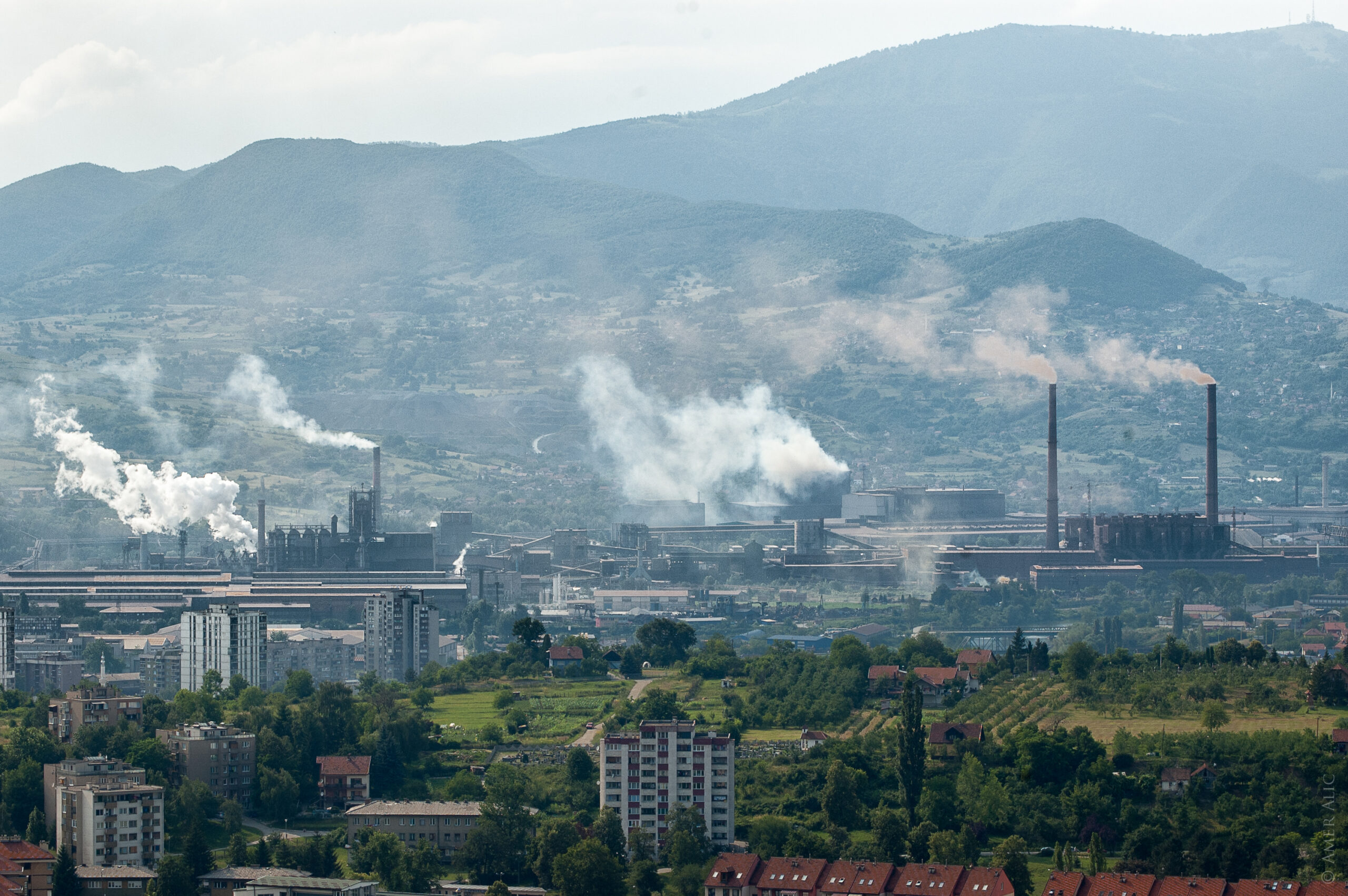
Samir Lemeš began his activism as soon as the Zenica factory resumed operations and the polluted, heavy air returned to the city’s residents. Photo: EDI Convention.
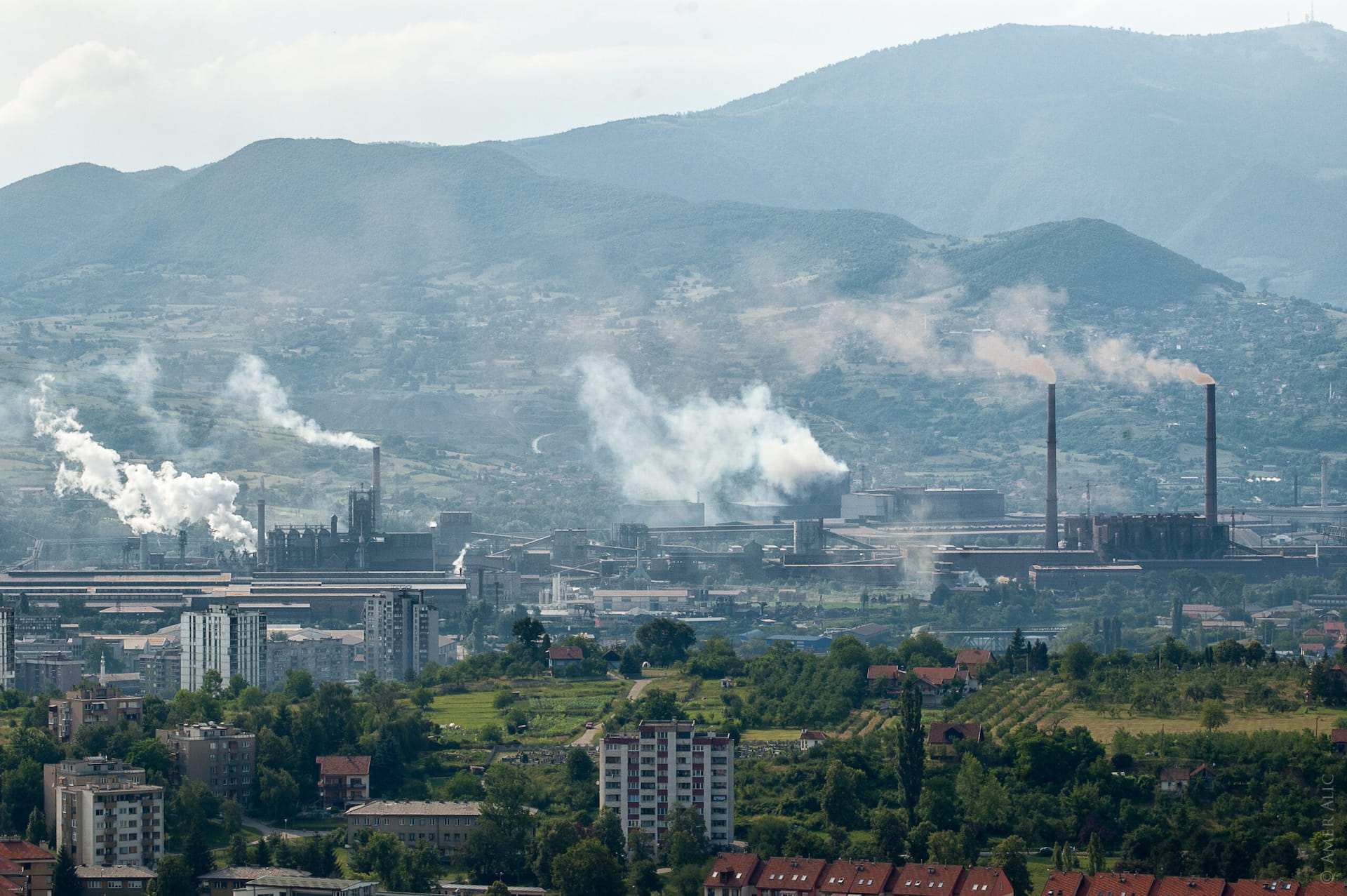
In addition to polluting the air, the factory also contaminated the soil in Zenica. Photo: cc/AAPRODUCTIONS.
Residents continue to grow fruits and vegetables on contaminated soil.
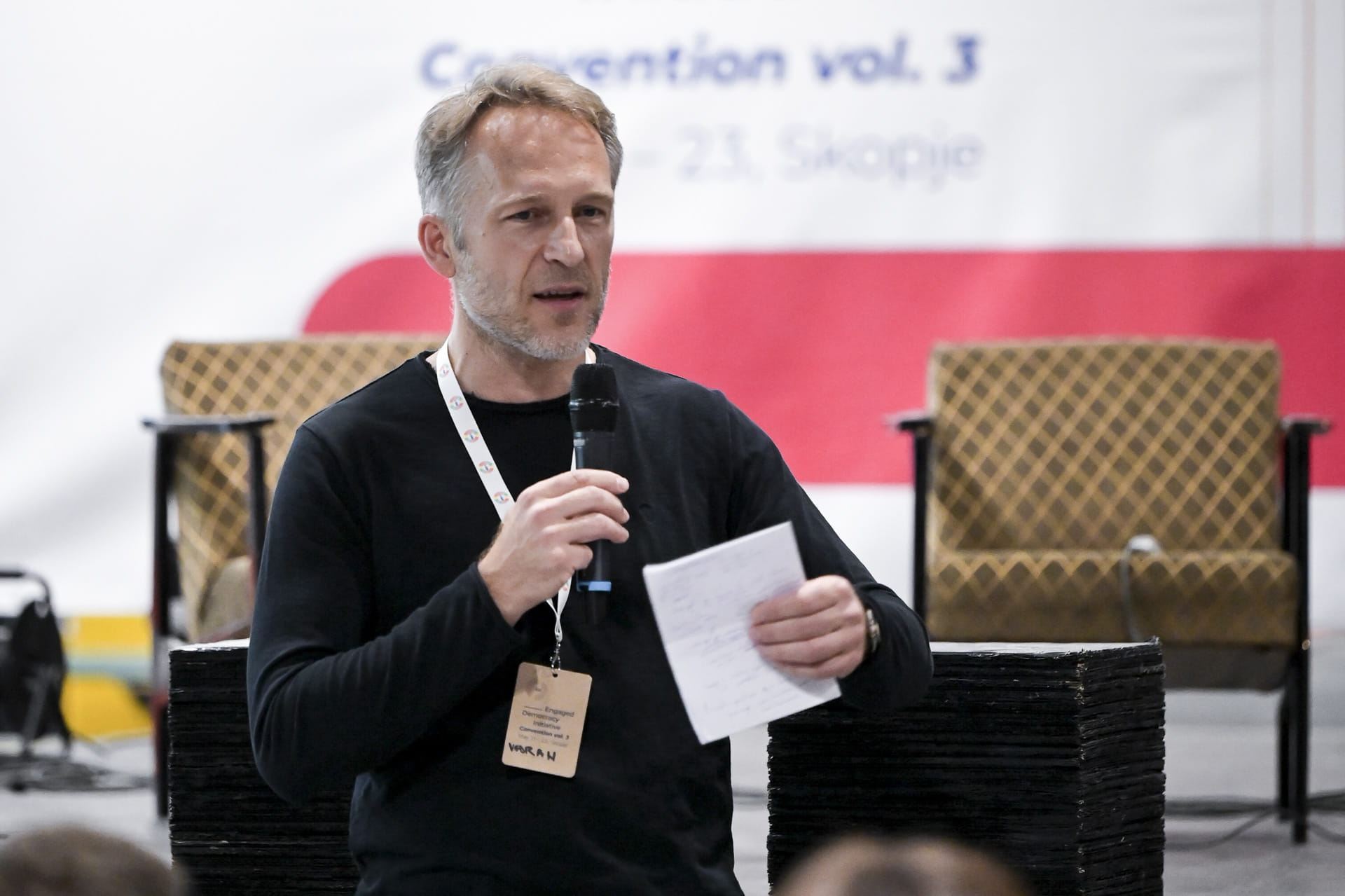
Vedran Džihić’s report warns of an EU increasingly willing to compromise with regional autocrats in exchange for access to natural resources — sacrificing democracy and environmental justice. Photo: EDI convention.
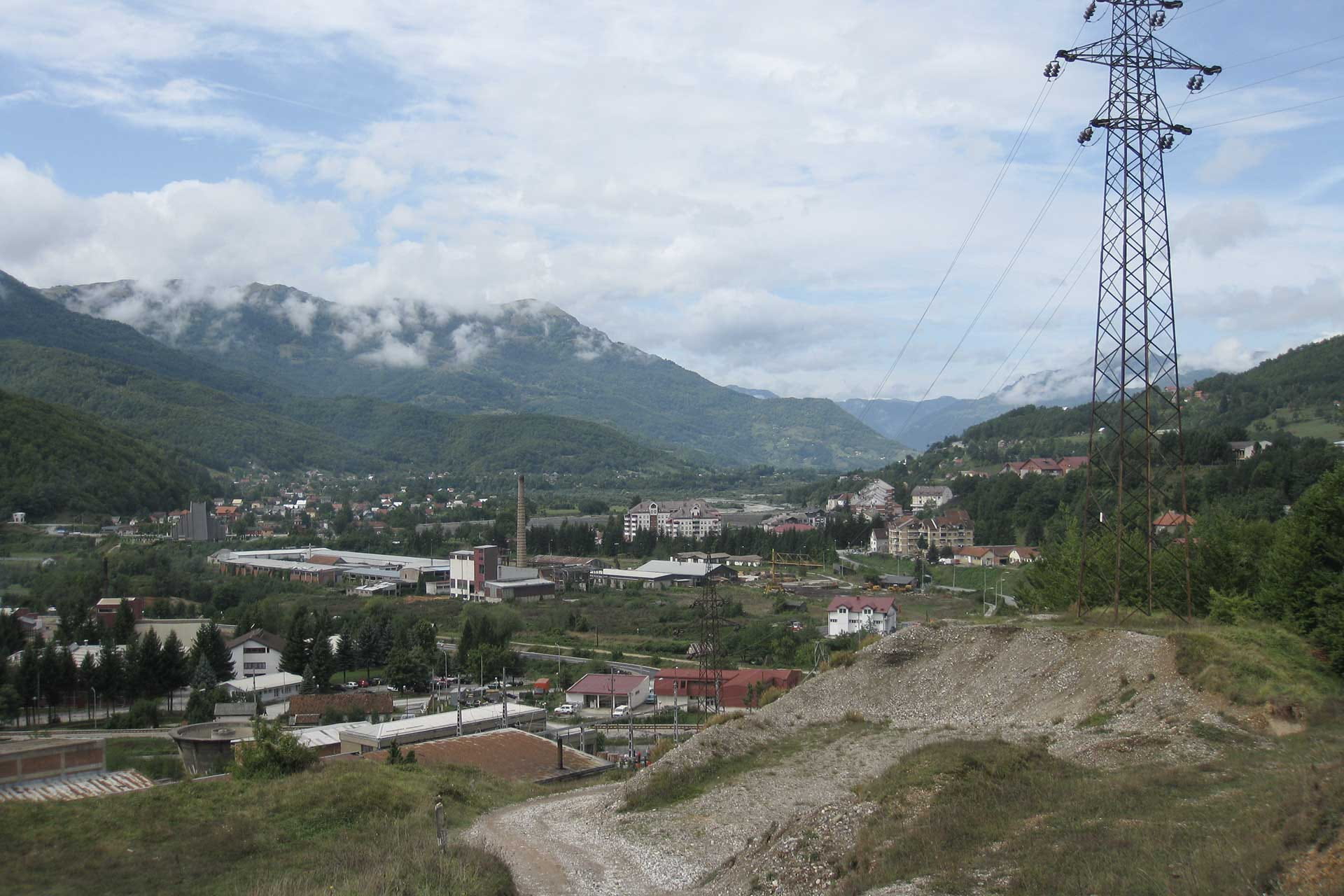
From Vareš and Ozren in Bosnia and Herzegovina, to the Jadar Valley in Serbia and Mojkovac in Montenegro, foreign companies, often backed by EU member states, are aggressively pursuing concessions for mining projects. Photo: WikiCommons.
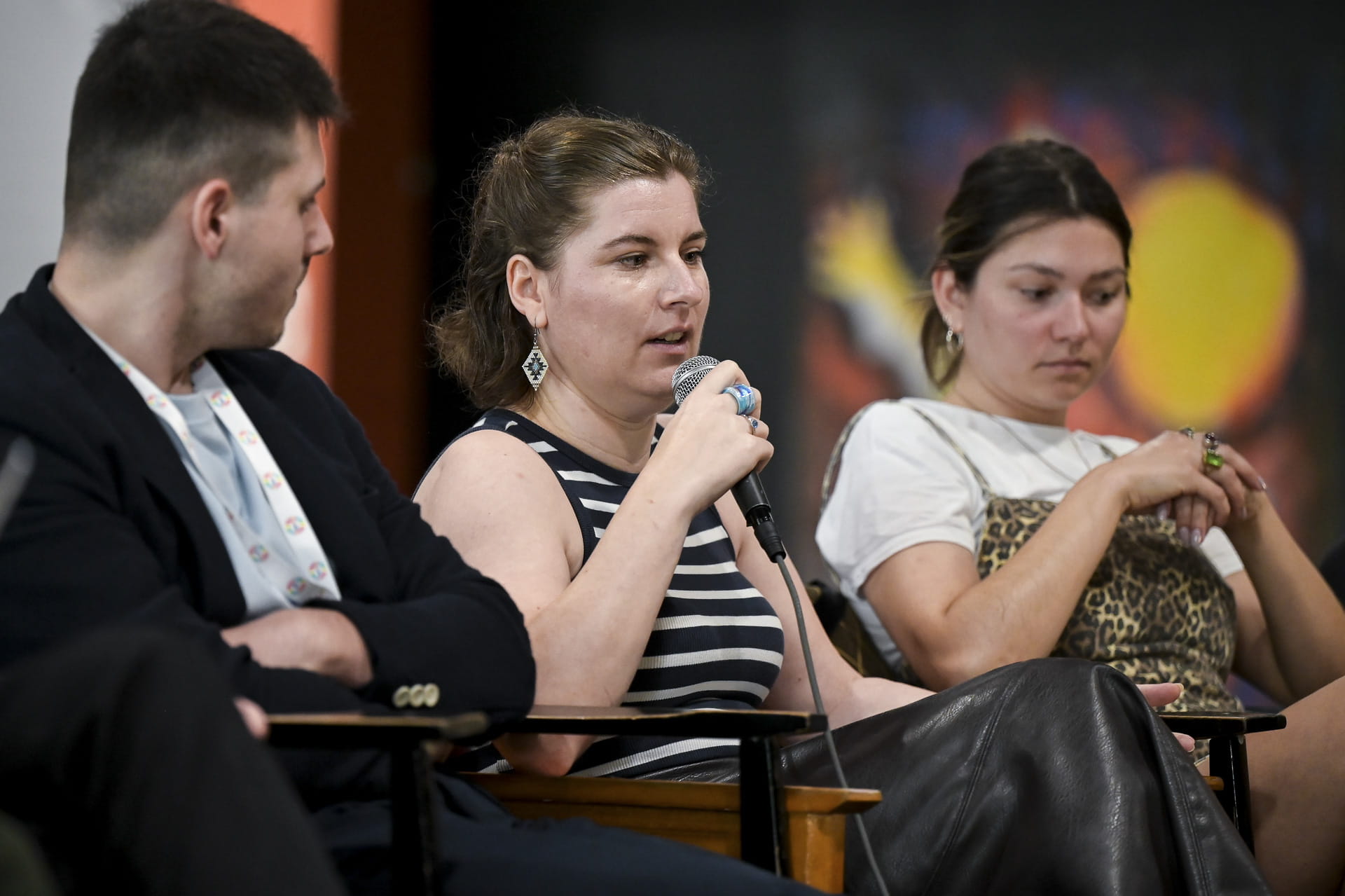
Azra Berbić notes that in the city of Vareš, Bosnia and Herzegovina, where rare minerals such as silver, zinc, and lead are being mined, the effects of these activities are already being felt. Photo: EDI convention.
According to Džihić, governance failures, combined with state capture and corruption, risk turning the region into what some critics have called “Europe’s future mining colony.”
In a video posted on social media, flamingos are seen fleeing the area due to aircraft noise, direct evidence of the project’s negative effects.

Uran Haxha
Uran Haxha is a journalist at K2.0 and the host of the show “Pak ma Drejt” on Paper Radio. He’s covered economic issues and human interest stories for a number of Kosovo media outlets. He studied marketing and management.
This story was originally written in Albanian.