
Are Kosovo's policies actually helping youth who want to volunteer?
How do Kosovo's volunteering policies stack up?
“Volunteering in Kosovo is conceptualized as charity… it is not conceptualized as a social activity."
Gani Lluga, sociologist
Written consent is only required if volunteering efforts interrupt the regular education process.
It seems that there are still major issues that are left unresolved, and have even worsened in comparison to the previous legal situation.
Volunteers are the backbone of civil society in Kosovo, and as such, their careful handling, protection, and creation of opportunities can go a long way towards strengthening Kosovo’s democracy.
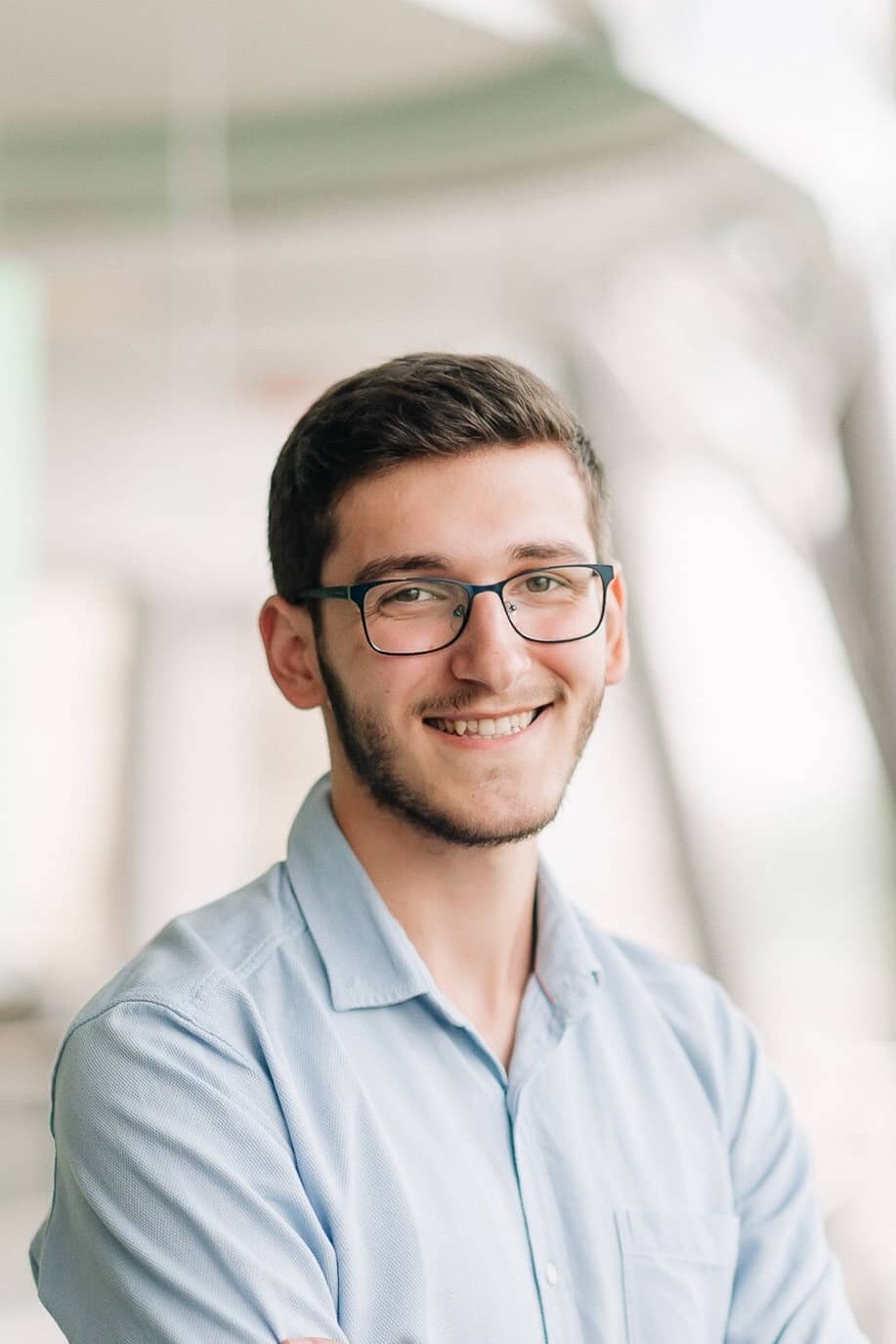
Çlirim Sheremeti
Çlirim Sheremeti is the founder and executive director of 4-H Kosova, a member organization of the global network of 4-H youth development organizations. He has been engaged in youth volunteering and civil society for 7 years, including serving as president of the Youth Council of the U.S. Embassy in Kosovo in 2017, and reactivating and coordinating Rotaract Club Prishtina in 2018. Through his work, Çlirim aims to create positive change in the educational system of Kosovo through non-formal education, and help the youth of Kosovo become changemakers and gain the mindset, skills and abilities they need to succeed and thrive in the 21st century.
DISCLAIMERThe views of the writer do not necessarily reflect the views of Kosovo 2.0.
This story was originally written in English.