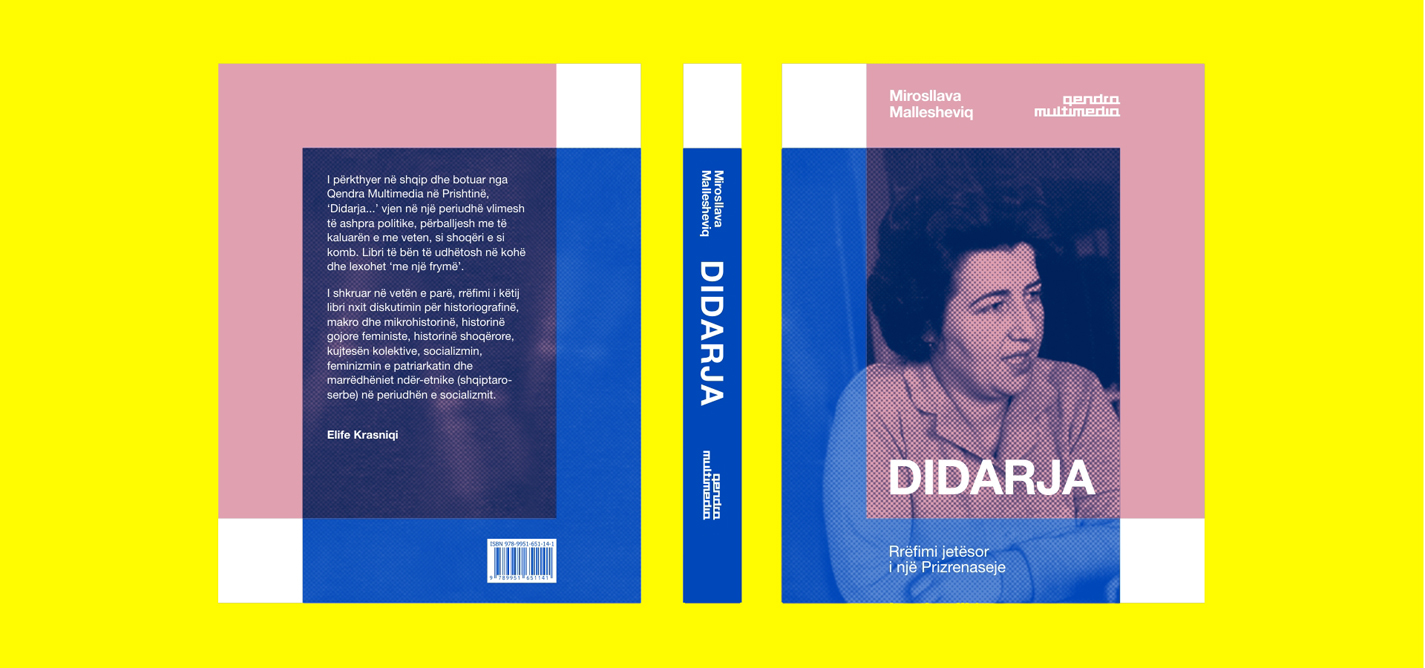
Didarja – a missing story
New Albanian translation for book that challenges traditional approaches to history.
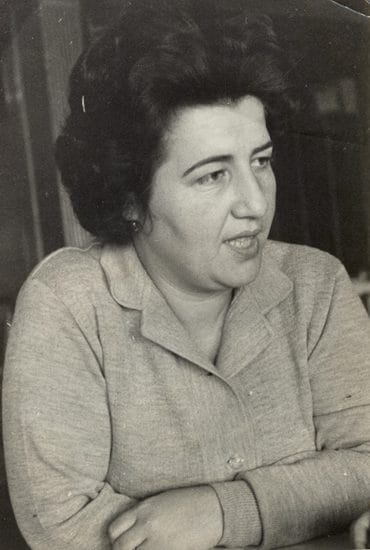
Didarja’s story offers us the possibility of seeing a different landscape from that which is generally dominant. After many in-depth interviews with Didarja, using oral history methodology, Malesevic shapes Didarja’s story with sequences from childhood (before WWII), adolescence (post-WWII), her career and the ideals of a communist woman (during the 1970s) and her alienation from public life (at the end of the 1980s and during the 1990s). Through this story and its different events and situations, “Didarja” explores the development of socialist modernity, especially in relation to gender emancipation, and finally the period of politicization and escalation of interethnic tensions. The book brings to the surface the mastery of conducting an interview and of writing in such a way as to reveal the personality and voice of the subject. Didarja’s life events — which go beyond the personal, social and political levels — highlight the benefits of research methodologies within the humanities. This is the context in which I read the book.
Women, regardless of their contribution, either at a national level or in social transformation, remain missing parts of history.
Further readings used for this article:
Elife Krasniqi
Elife (Eli) Krasniqi is an anthropoligist and writer.
This story was originally written in Albanian.