
Fake news isn’t just an international problem
Kosovo is by no means exempt from the fake news phenomenon.
Types of mis- and dis-information
Satire or parody
No intention to cause harm but has potential to fool
Misleading content
Misleading use of information to frame an issue or individual
Imposter content
When genuine sources are impersonated
Fabricated content
New content is 100 percent false, designed to deceive and do harm
False connection
When headlines, visuals or captions don’t support the content
False content
When genuine content is shared with false contextual information
Manipulated content
When genuine information or imagery is manipulated to deceive (Source: First Draft News)
By publishing these documents unchecked, journalists have contributed to a lot of unverified news and speculation regarding the agreements between the two countries.
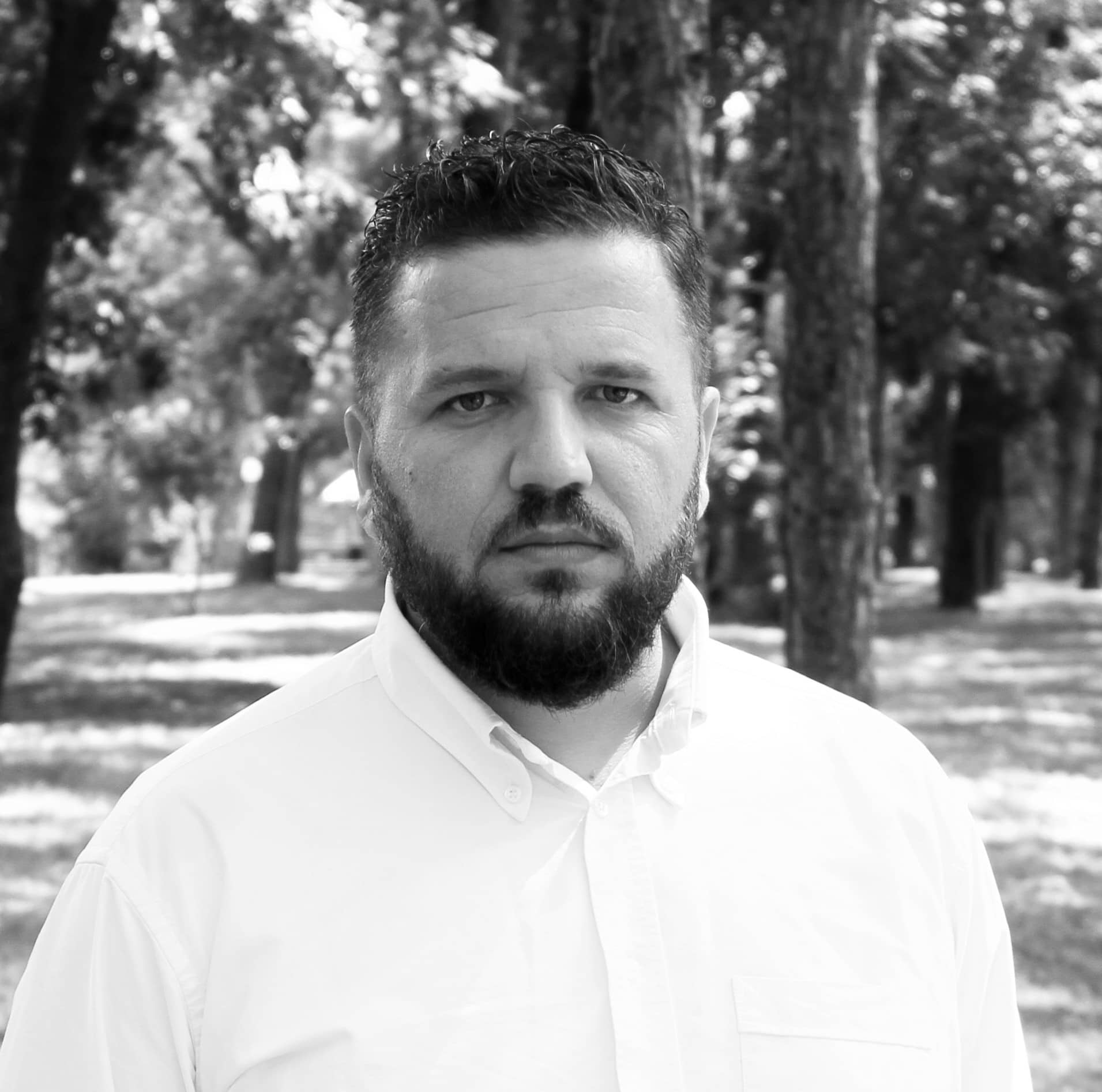
Abit Hoxha
Abit Hoxha is a lecturer and researcher at the University of Agder in Norway. He has academic experience in media research in conflict in Africa, the Middle East and Europe.
He holds a master's degree in Journalism and one in Defense and Development Policy. Currently, is doing his PhD at LMU Munich in the field of conflict news production. He is a co-researcher for the Worlds of Journalism Study on Kosovo.
You can follow him on Twitter at @abithoxha.
DISCLAIMERThe views of the writer do not necessarily reflect the views of Kosovo 2.0.
This story was originally written in English.